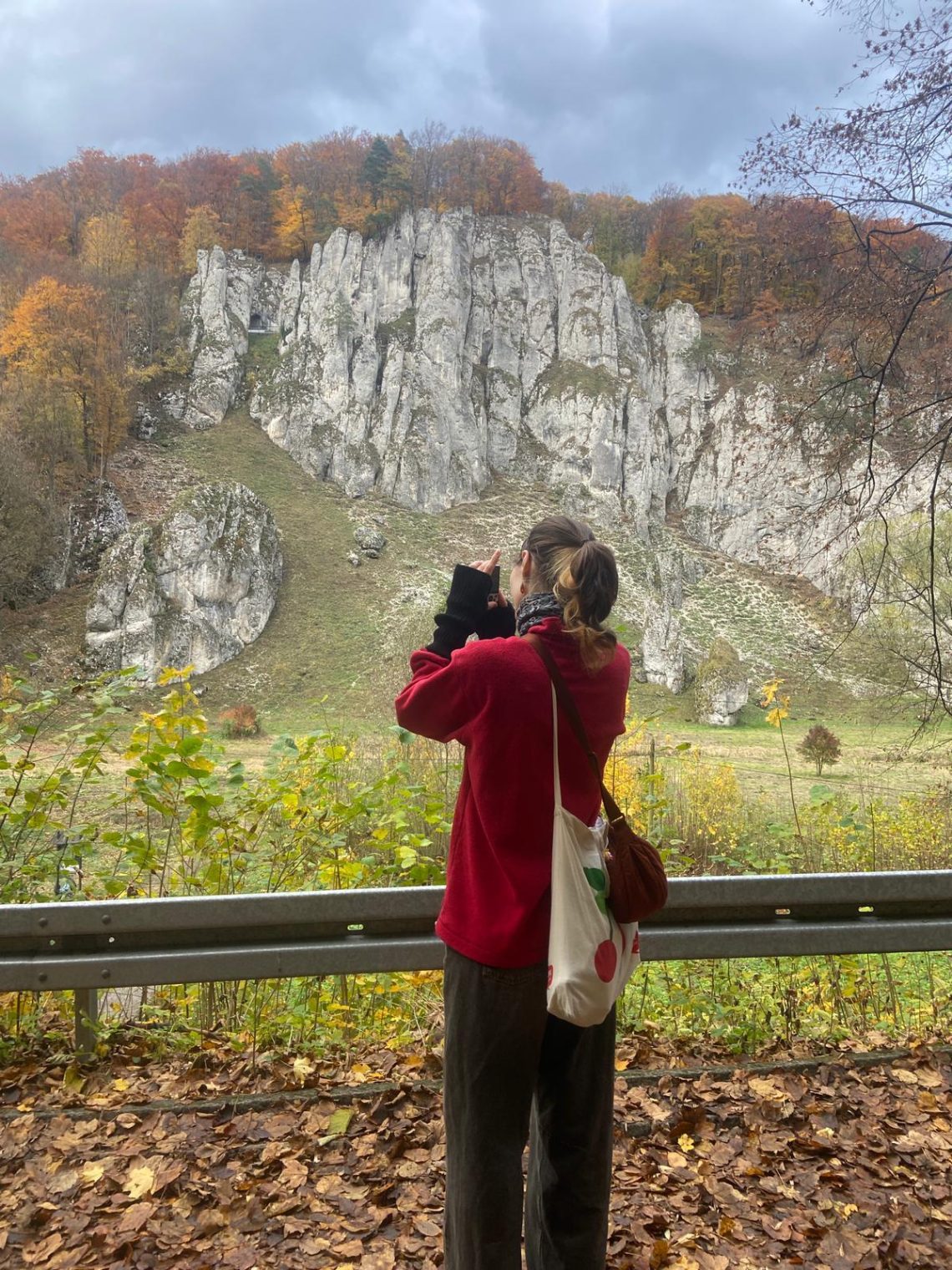
A foreign country.
A foreign city.
A foreign apartment.
Four strangers standing in a tiny hallway on the fourth floor of an apartment block in Kraków.
This is how my first hours of voluntary experience in Poland began. A woman from the organization, gave us the keys, explained the most important things, and then left us alone in the apartment. It was not the easiest start. But over the next few days, we got to know her and the other volunteers, explored the city together, made our first contacts, and were slowly introduced to our workplaces. For me, this led to my placement: a kindergarten in Podgórze. My work here is not just a 30-hour week at the kindergarten. I go on excursions with the children and regularly plan my own lessons.
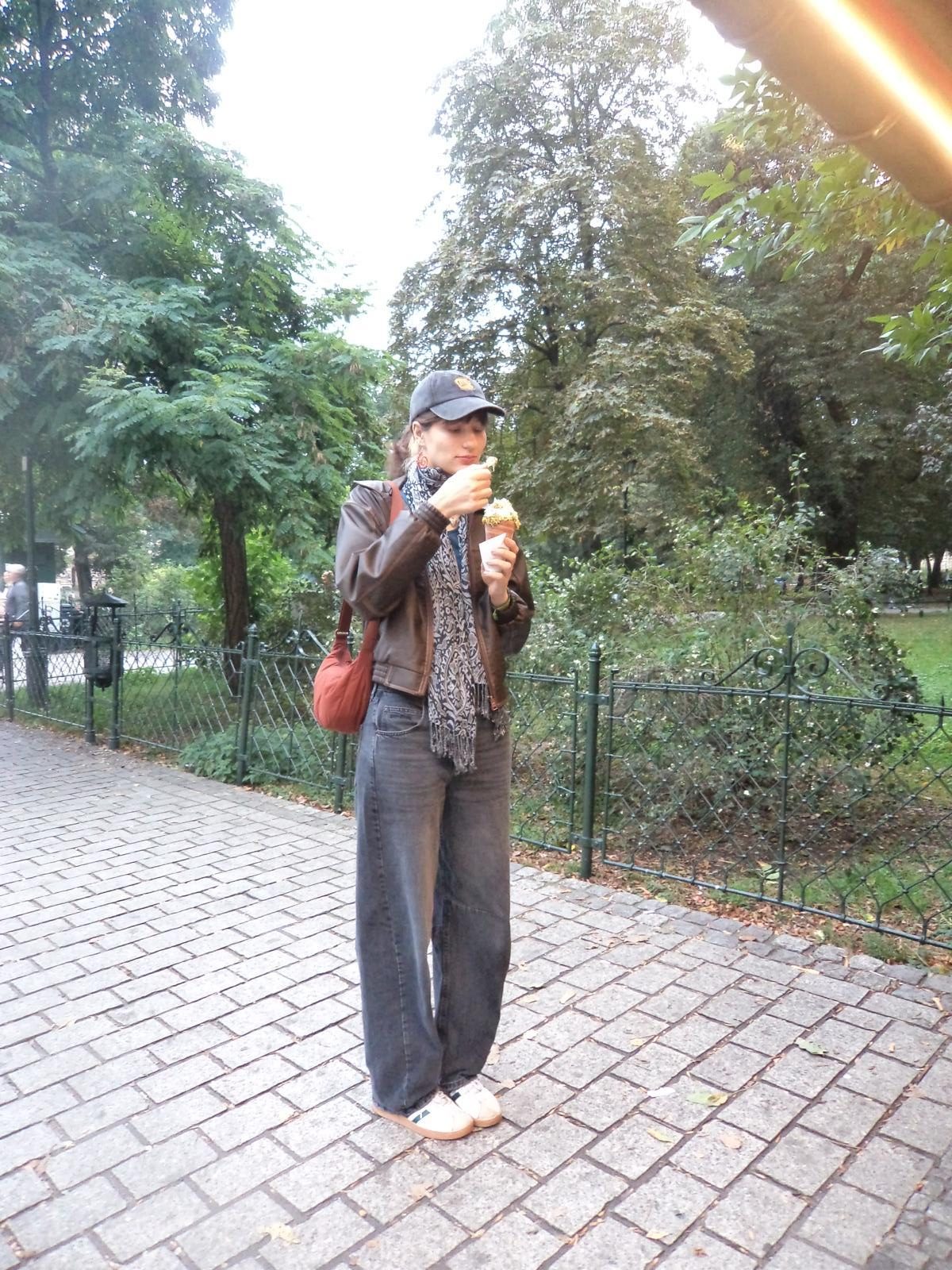
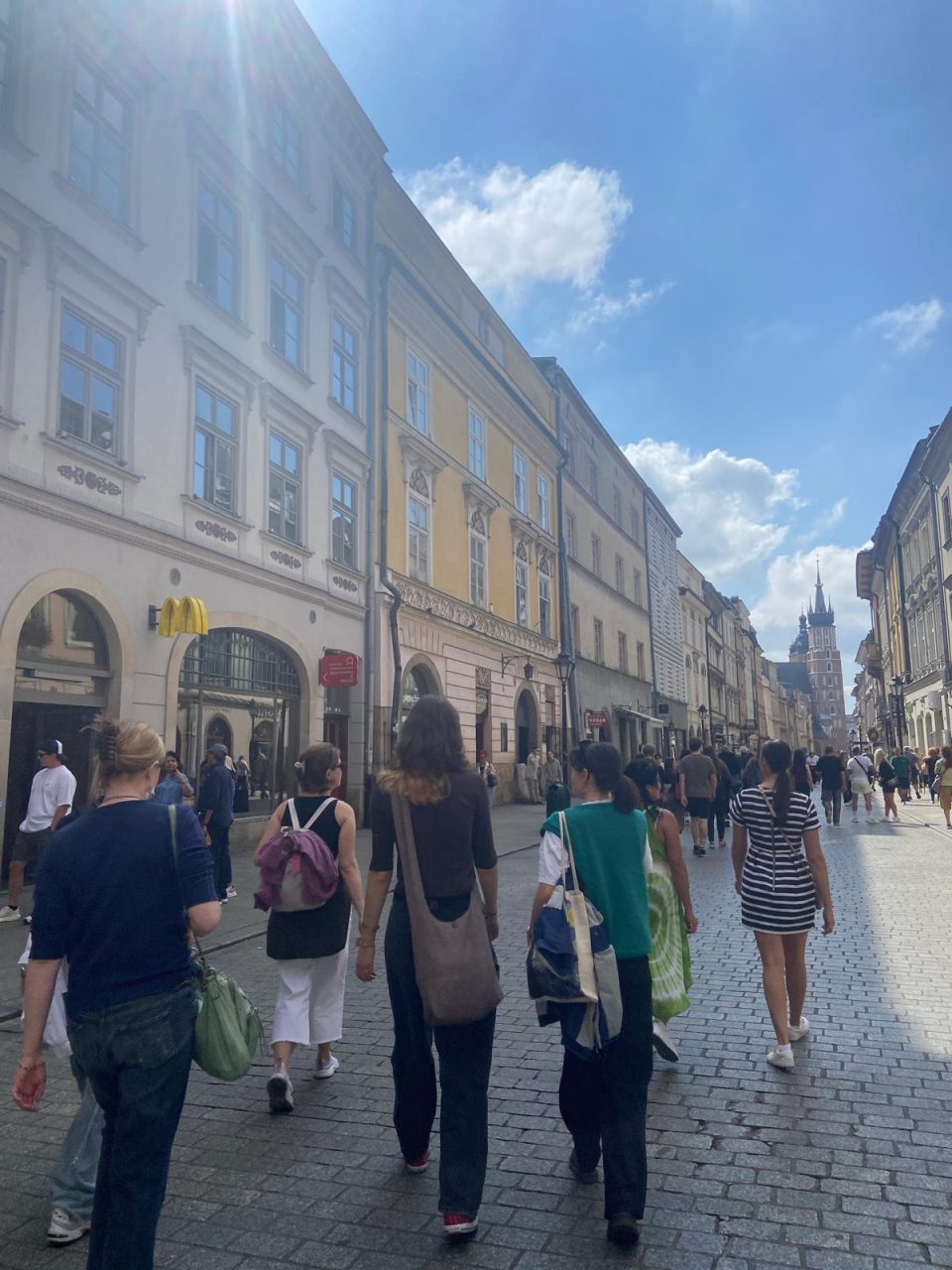
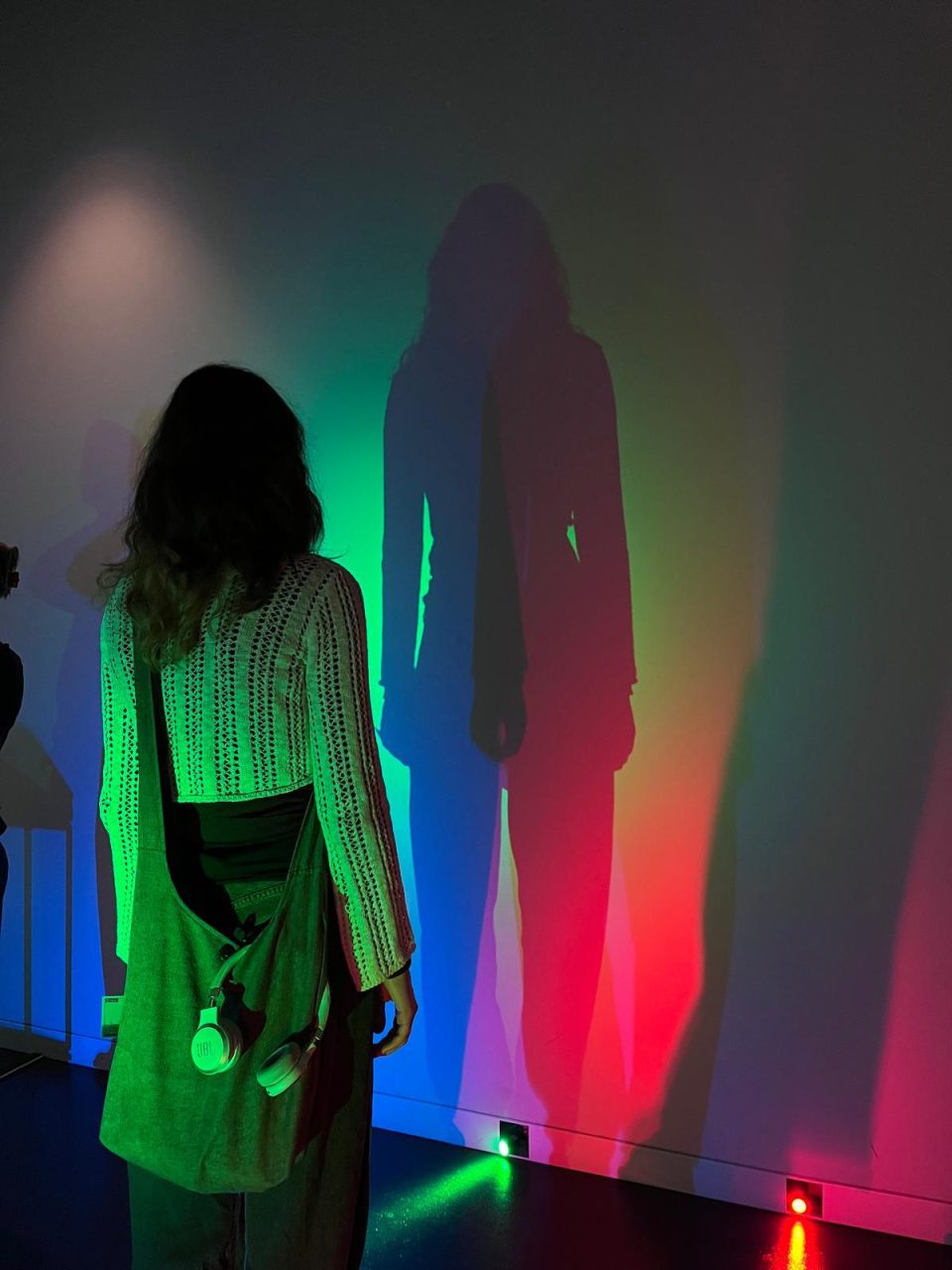
Spending several months or even a whole year in a new country with a foreign language and unfamiliar traditions can feel intimidating at first—and it did for me. In the months before my departure, I was often asked, “Why Poland?” I asked myself the same question many times without knowing the answer. Why spend time in a neighbouring country just a few hundred kilometres away from Dresden, when all of Europe is open to you?
Despite its closeness, Poland is a fascinating country and in no way inferior to other volunteer destinations. The winters are cold and dark, but the people are warm and welcoming, even if they may seem reserved at first. Several times, our supervisors invited us for coffee or even to their
homes. During a washing machine repair, our landlord even gave us restaurant recommendations.
Working in the kindergarten also allows me to experience Polish traditions and holidays up close. One example is Andrzejki, which is celebrated every year on November 29. On this day, people tell each other’s fortunes, especially about love, but also about jobs and health. In the kindergarten, the teachers dressed up as witches, danced and sang with the children, and told them their future.
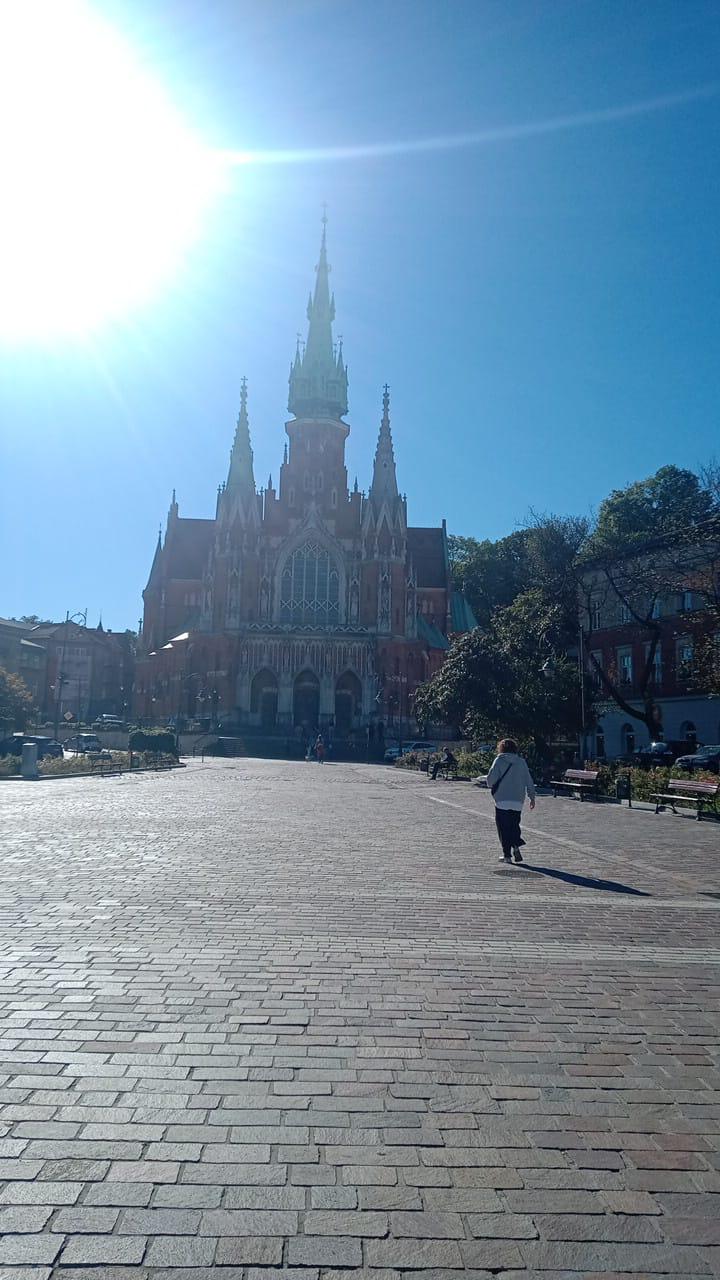
Another thing that fascinates me about Kraków is its history, which feels very present everywhere. Because Auschwitz-Birkenau is close by and easy to reach by train, many volunteers visit thememorial. Anyone who has seen Schindler’s List will also recognise many places here in Kraków.
My daily commute often takes me through the former Jewish ghettos, past places I had only seen in black and white before.
Even though I was understandably afraid at the beginning and the past months were not only filled with highlights, the positive experiences clearly outweigh the negative ones. Situations like this force you to reflect on yourself—not always comfortable, but necessary. Making friends in a foreign country despite the language barrier and organising my everyday life independently for the first time has given me a new sense of confidence and security.
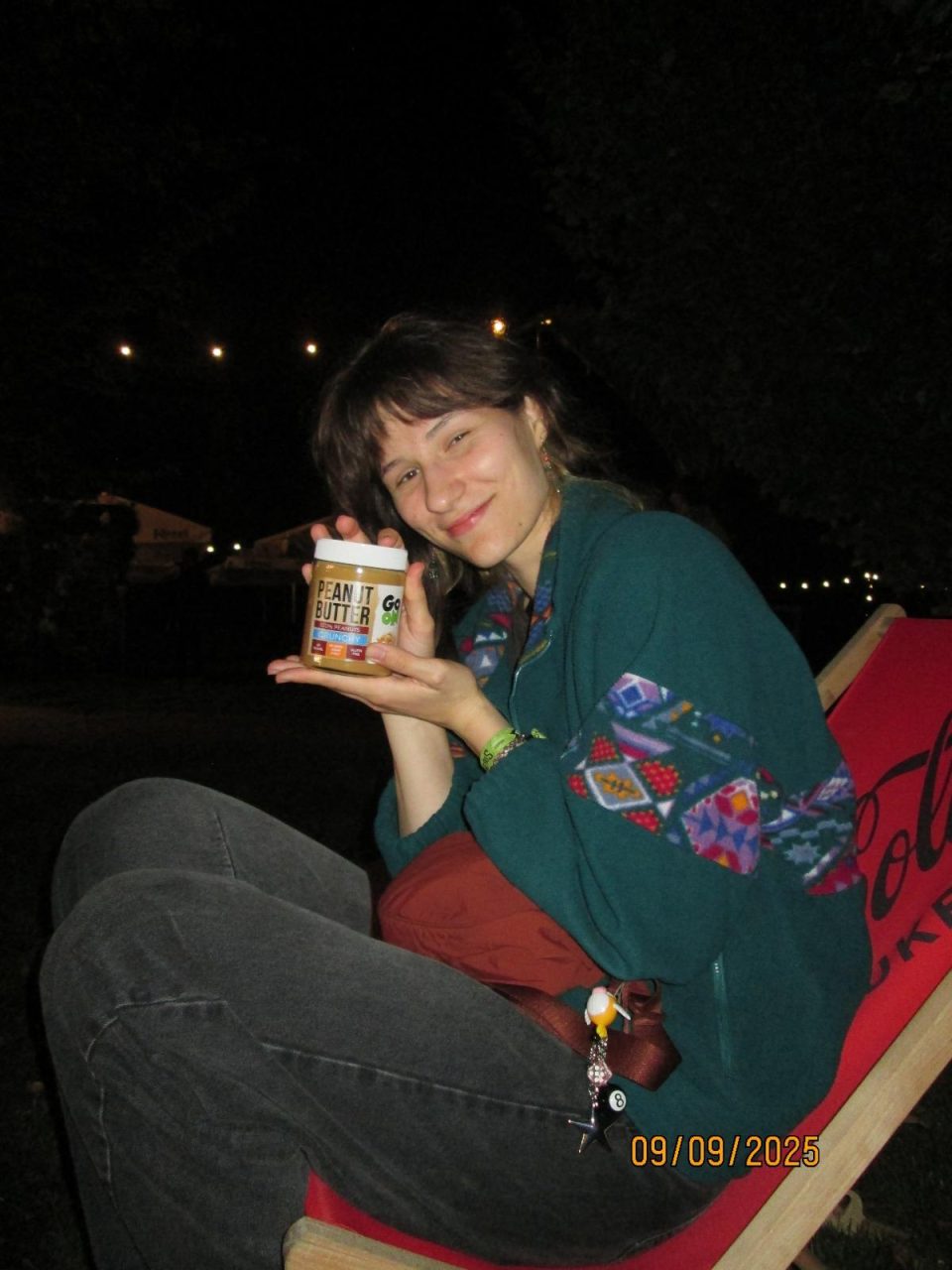
Now I know that if I managed this, I will also overcome future challenges. It is okay not to have everything planned. You just have to be brave enough to embrace the experience. Five months later, much no longer feels foreign.
Not the country.
Not the city.
Not the apartment.
Not even the language.
And not the four strangers from that hallway.
Article by Svenja,
European Solidarity Corps volunteer
Point of view of European Solidarity Corps volunteers from 23/02/2026




Comments by admin