In Poland, Easter, as well as the rest of the Catholic holidays, is taken seriously. It is a deeply religious but also family-oriented celebration with unique traditions that can only be found here. They are far more detailed and complex than you might expect, especially if you are not from here.
The Easter experience already starts a few weeks before the holidays. It feels as if the whole city awakens after the cold, dark Polish winter, and people begin to decorate for spring and Easter. Volunteers in schools and kindergartens will notice how the first events are being planned for the children, how small gifts are exchanged between teachers, and how the lunch ladies bake and decorate the first Easter surprises behind closed doors. During this time, both you and the children get to learn about the activities and special food surrounding the upcoming holidays.
The actual celebration already begins on Palm Sunday, one week before Easter weekend, to commemorate Jesus’ entry into Jerusalem. For this occasion, people craft palms made of boxwood, willow twigs, dried flowers, and colourful ribbons. These are then blessed in church and are believed to provide protection against illness. It also marks the beginning of Holy Week, during which some people abstain from alcohol, meat, and dairy products, while others take the opportunity to do a thorough spring cleaning.
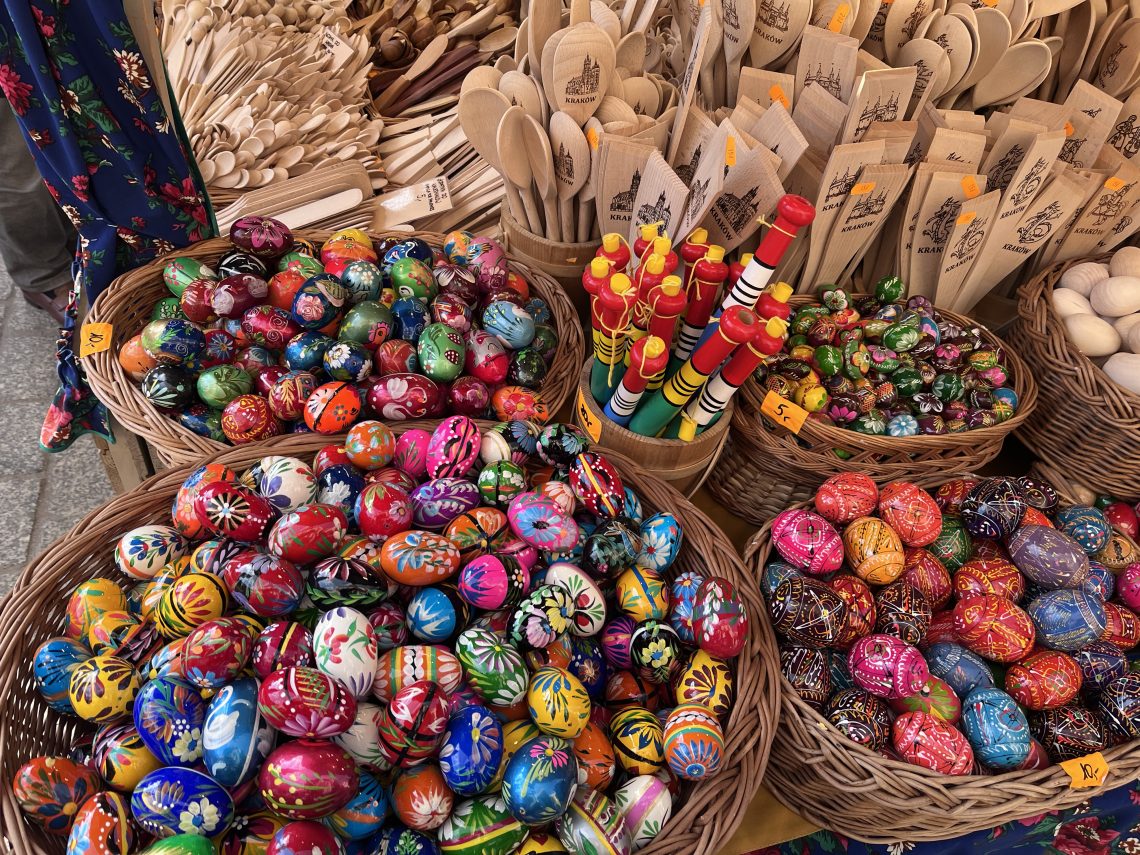
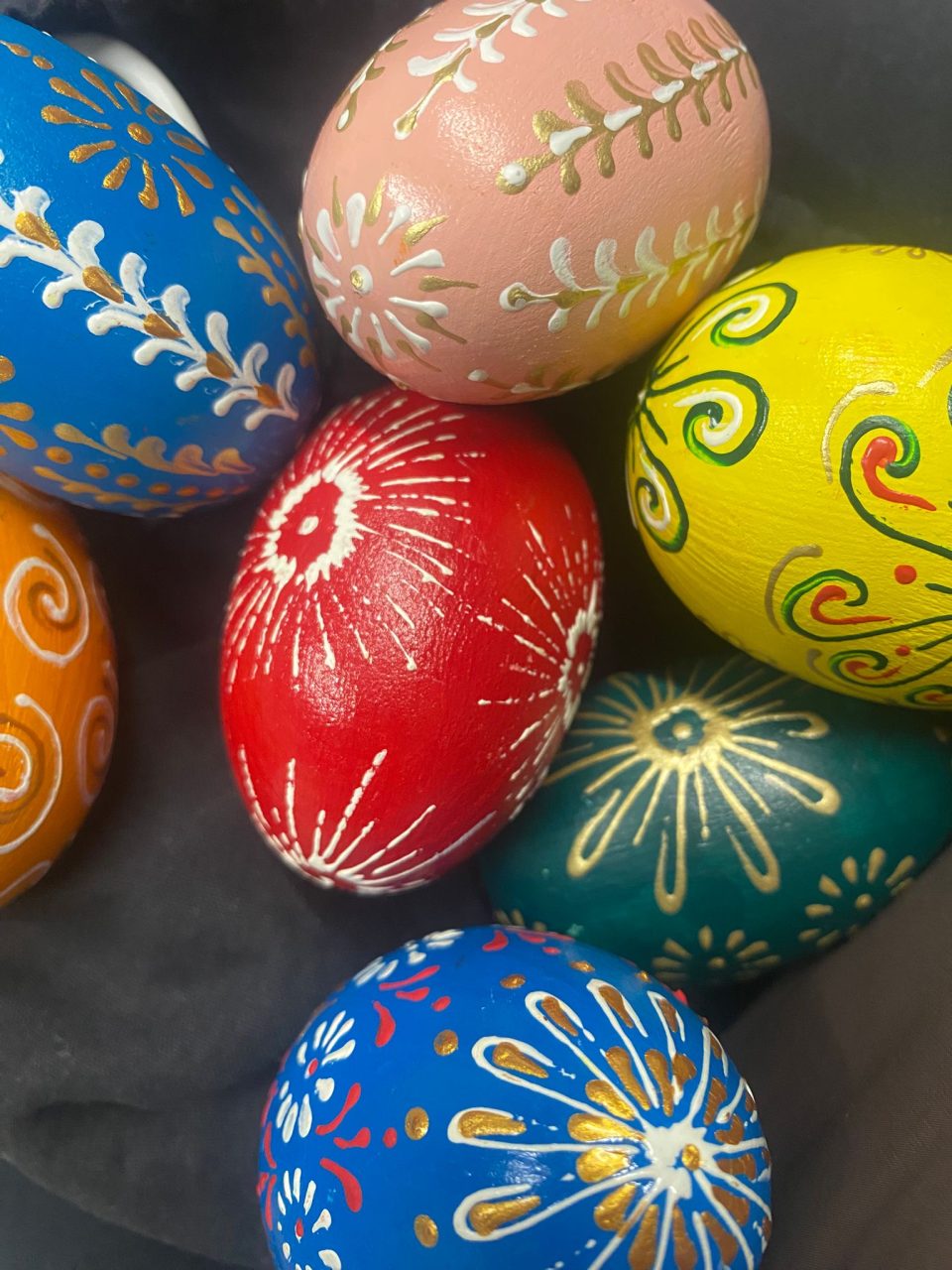
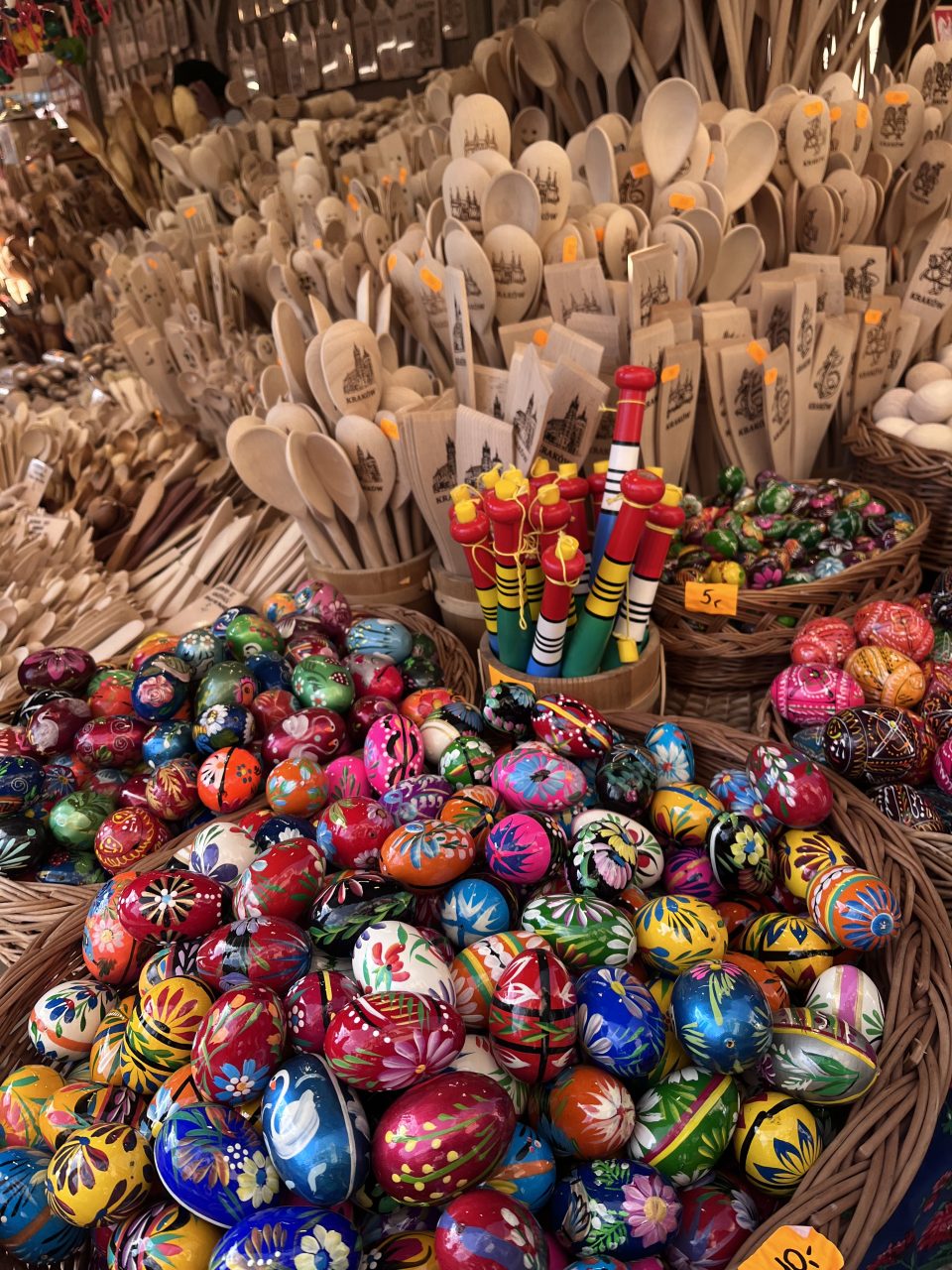
On Friday, the famous pisanki (painted Easter eggs), which come in many different colours and patterns, are prepared. Most families keep it simple and either use onion skins to dye the eggs dark red or buy modern kits with chemical dyes. In addition, more food is prepared, such as baked yeast cake and ham.
The big finale is Easter Sunday and Monday, two of the most important days in the Catholic calendar. It begins with a holy mass, followed by a large breakfast with typical food and family, celebrating the joy of the empty grave of Jesus Christ. The day after, called Śmigus-Dyngus, is mainly for resting, but it is also known for the tradition of splashing water on one another as a sign of cleansing and fertility—something especially enjoyed by the youngest.
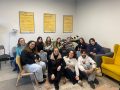
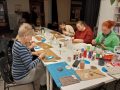
Even though most of us didn’t really take part in traditional activities on Easter Sunday or Monday, we managed to come up with our own ideas on how to celebrate and share them with the other volunteers. In a way, we created our own little traditions.
Article by Svenja,
European Solidarity Corps volunteer
Exploring the city from European Solidarity Corps volunteers from 07/04/2026




Comments by admin