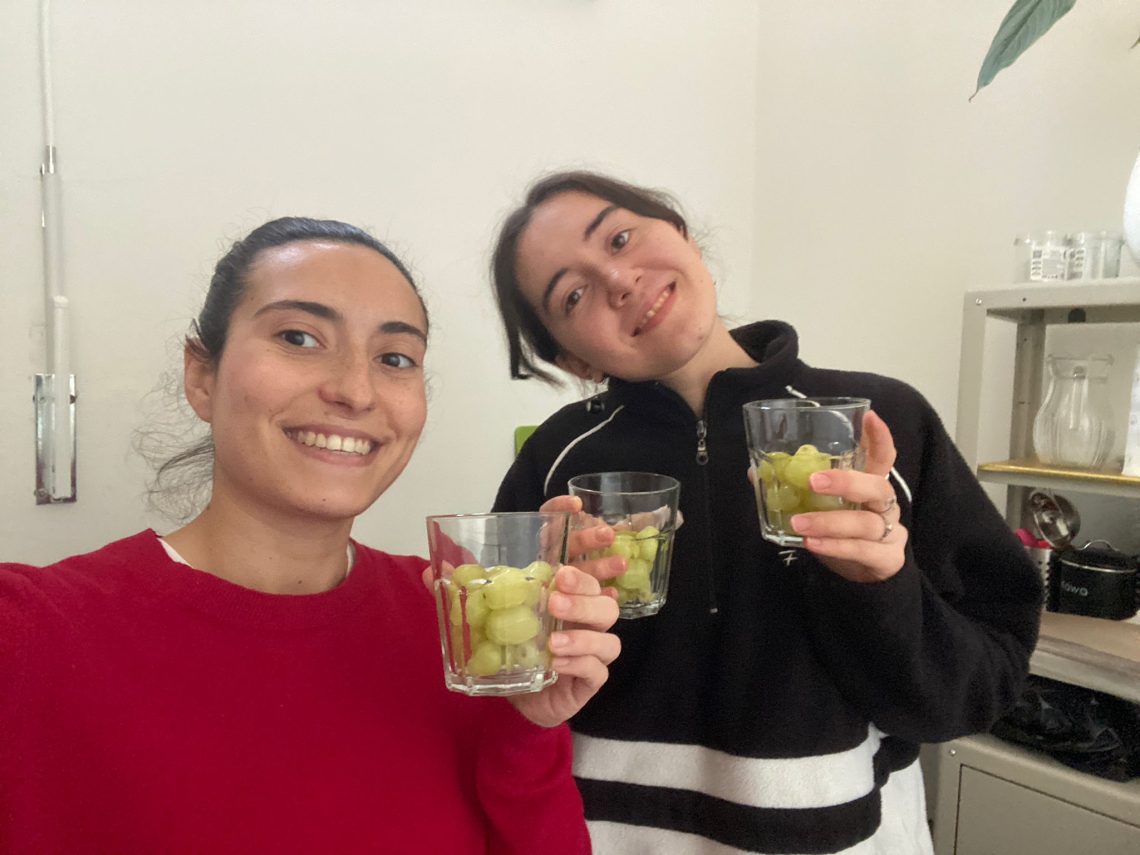
Spanish New Year’s Eve is one of the most special celebrations around the world, as grapes are an essential element in Spanish homes on this night. This tradition has several legends explaining its origin, but the reality is that it is one of the most iconic Spanish traditions.
One of the most popular explanations dates its origin back to 1909. During that year, there was an exceptional grape harvest, so farmers were forced to create a marketing strategy to sell the surplus. This led to the creation of the “12 lucky grapes,” representing the months of the year. This is a tradition that we still follow today every 31st of December in Spain.
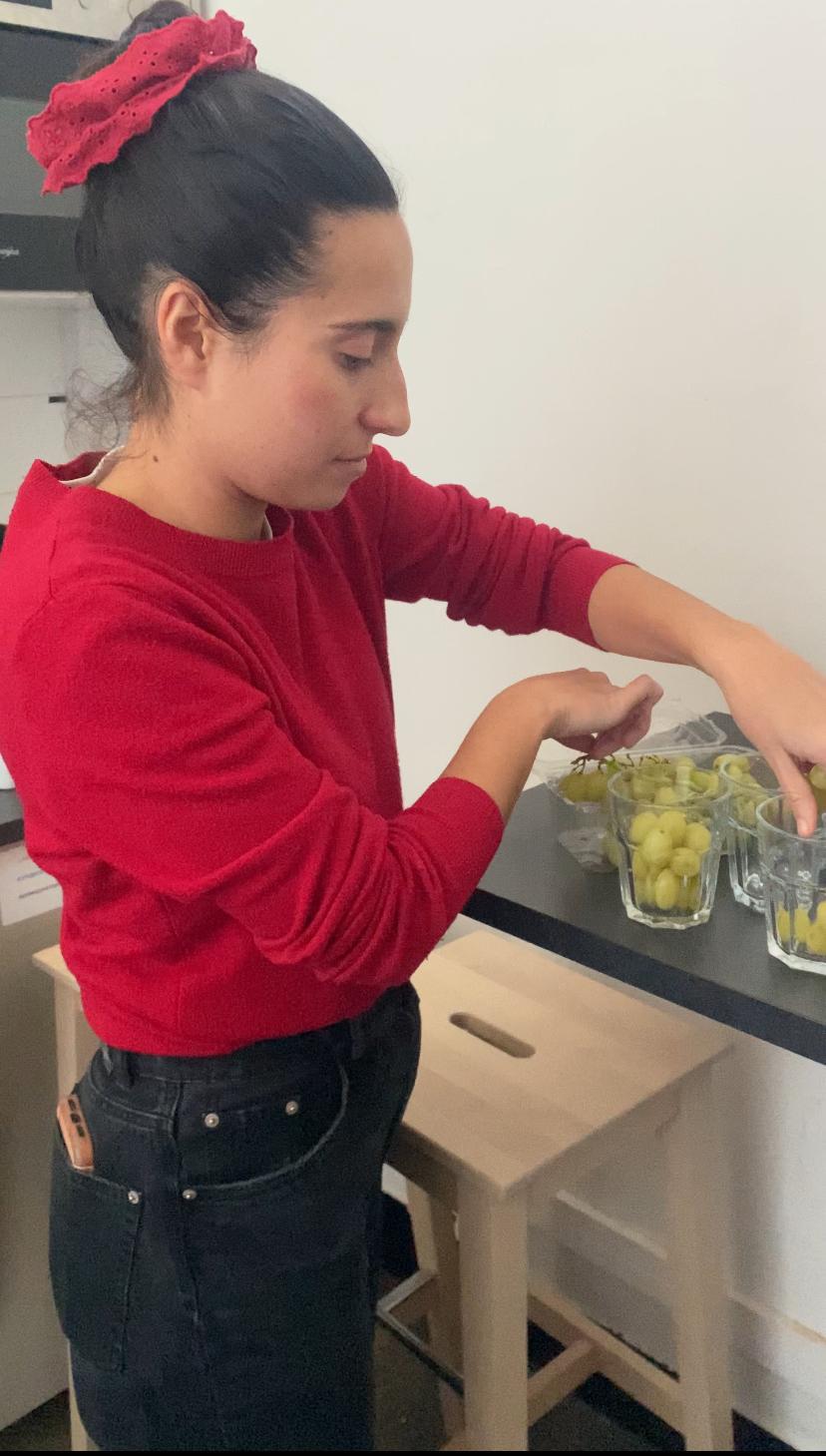
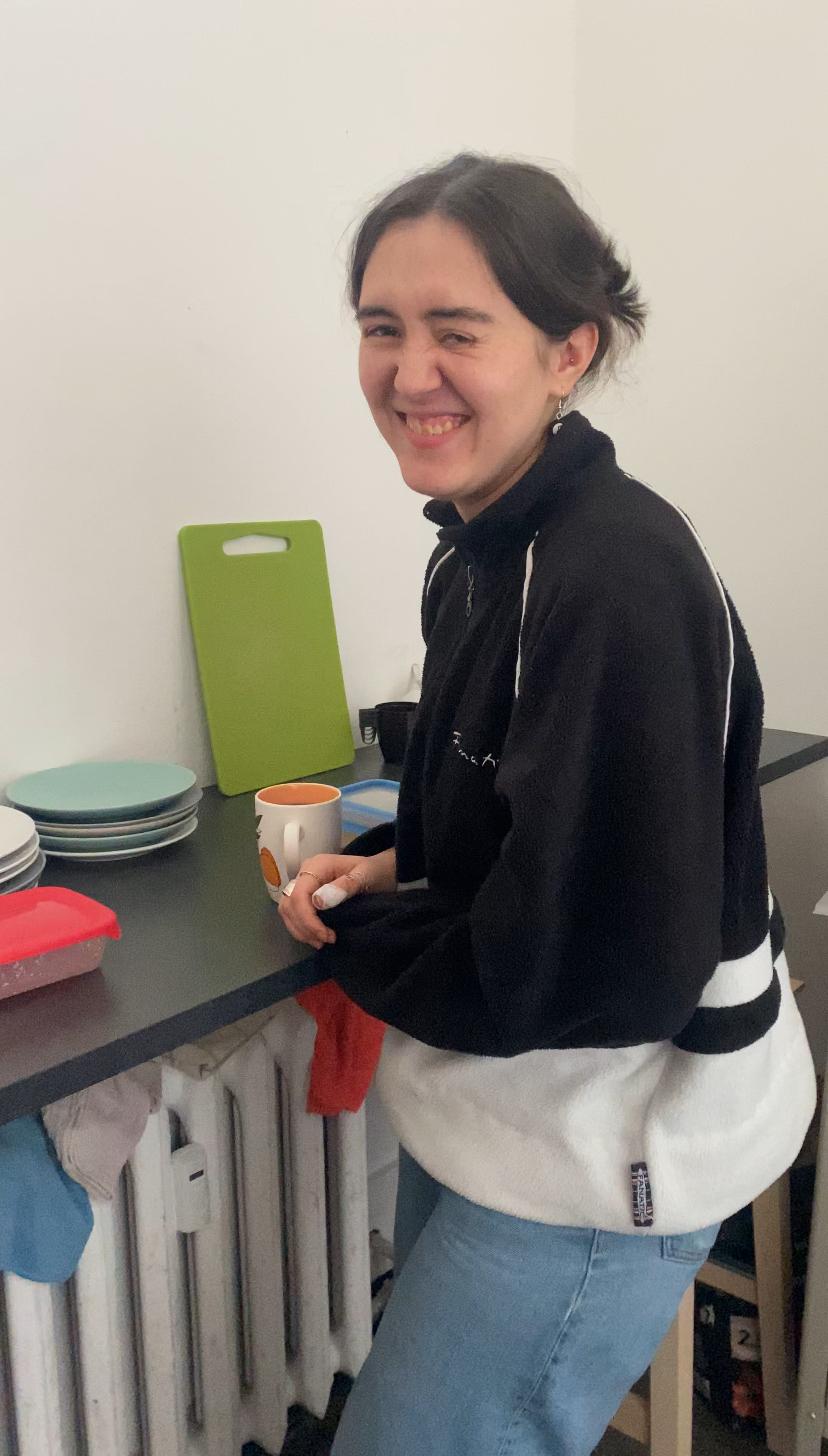
As the years went by, this tradition became increasingly established in Spain. Each grape represents a month, and they are eaten one after another, one for each chime of the clock that rings at the famous Puerta del Sol in Madrid to welcome the New Year.
This year we wanted to celebrate it at the office as well, so last Friday, one of the last days before the Christmas holidays, we ate the twelve grapes together as a symbol of this tradition. It was also a way to say goodbye to the year together, since we cannot do it on December 31st because each of us will be in our hometown.
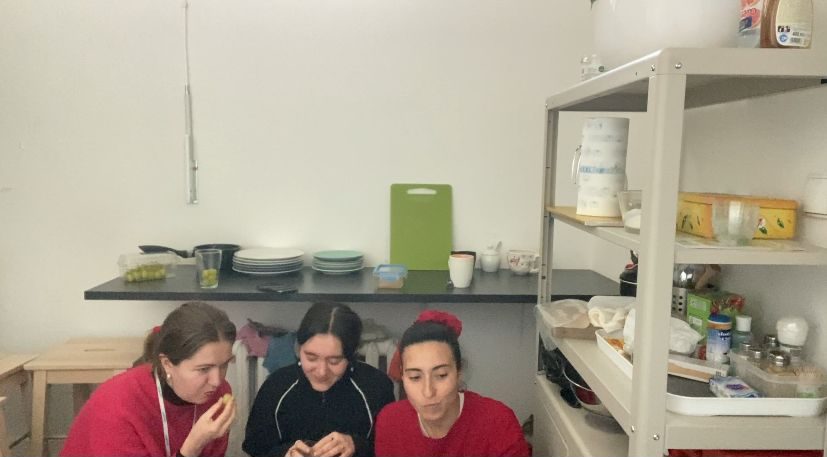
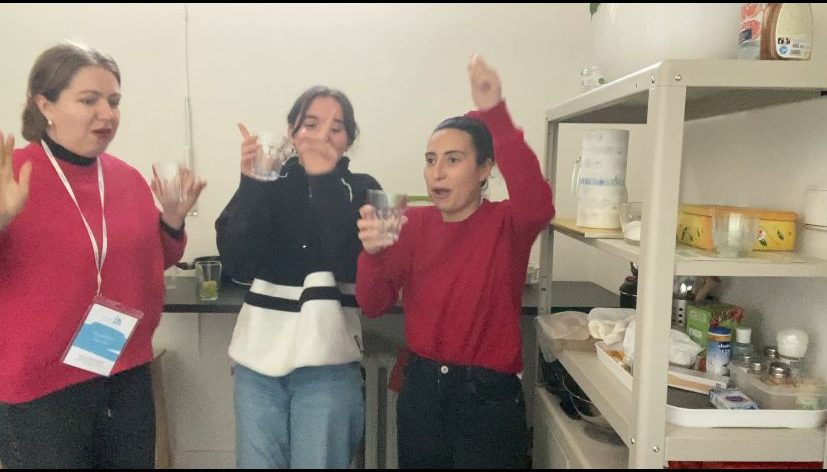
It was a very fun moment in which we shared the excitement of welcoming a new year together and wishing each other a Happy New Year, although with our mouths full of grapes. We recommend everyone to try it because it is a lot of fun.
In addition, grapes are considered in many cultures to be a fruit that attracts good luck and a symbol of prosperity and hope, which is why they are used in Spanish culture. If you don’t like grapes, you can replace them with other fruits such as blueberries or small chocolates, or even olives, although many people believe that changing the grapes brings bad luck.

Besides the grape tradition, there is another tradition that is also widespread in Italy and France, where people wear red underwear on this day as a symbol to attract luck, success, love, and health—something closely associated with lingerie of this color. It also boosts self-esteem and helps us enter the new year feeling confident.
These are the traditions we follow in Spain to welcome the New Year, and I invite all volunteers to try them this year with their families, especially the grape tradition.
Article by Maria E,
European Solidarity Corps volunteer
Point of view of European Solidarity Corps volunteers from 19/12/2025
Feliz año nuevo!




Comments by admin