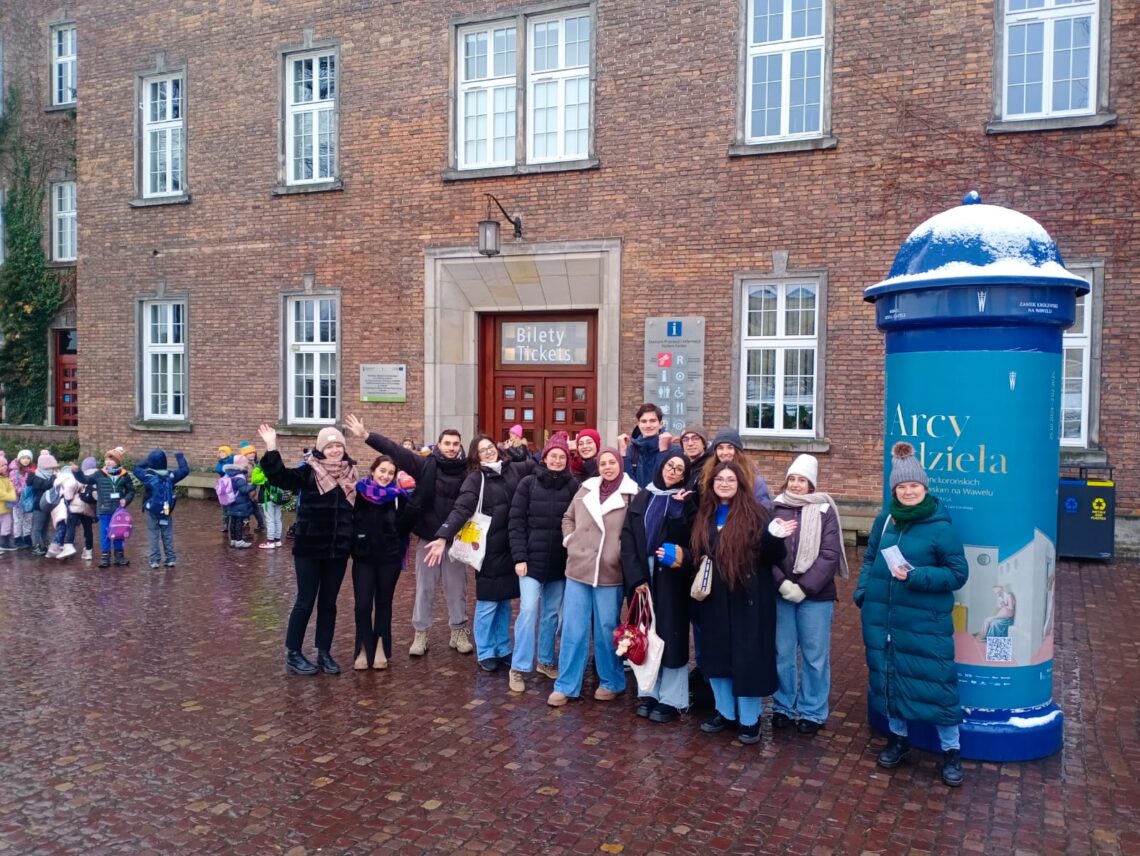
On Friday the 22nd, we had an incredible visit to Wawel Castle in Krakow with our fellow volunteers from IB Polska.
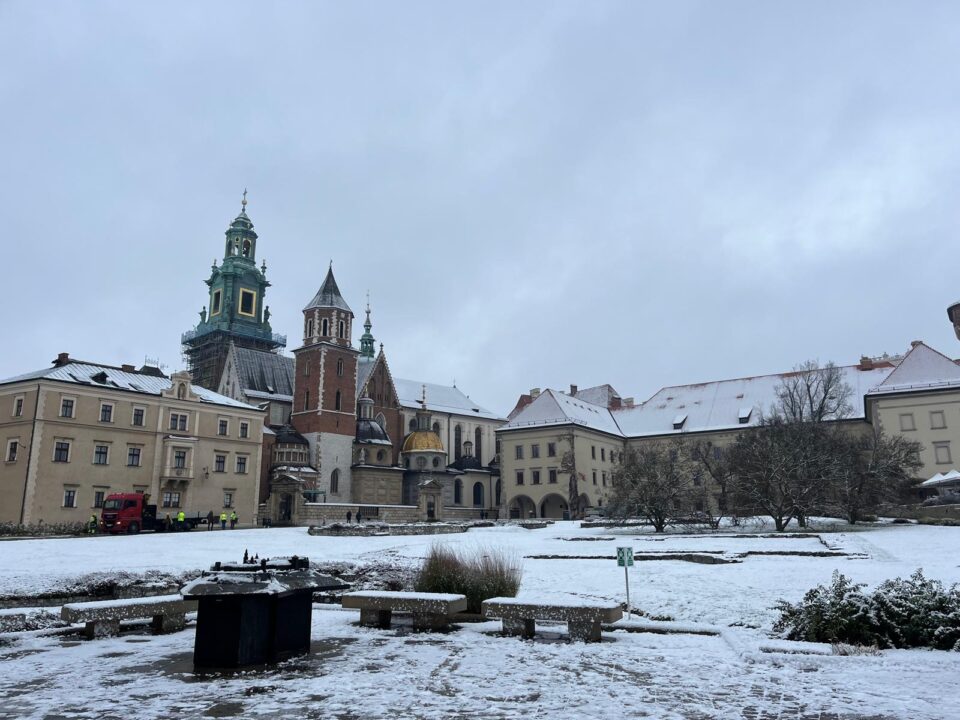
We were welcomed by a beautiful snowy day on top of Wawel Hill, where we all met to start our adventure. The castle is one of the most important historical landmarks in Poland and offers a fascinating glimpse into the country’s evolution over the centuries. Just standing in the main courtyard, we could admire a mix of art styles, from the elegance of the Renaissance to the striking Gothic architecture of the cathedral.
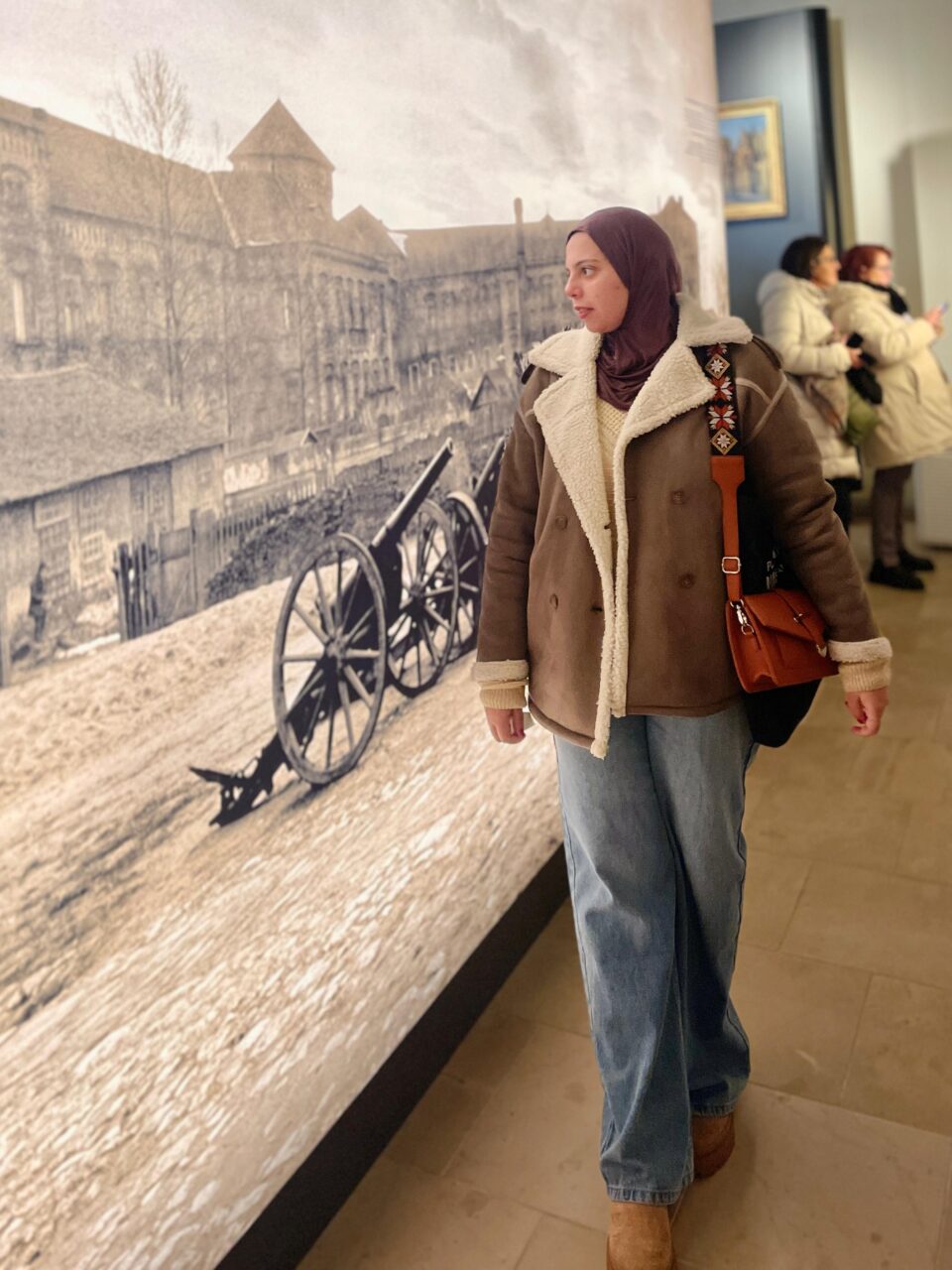
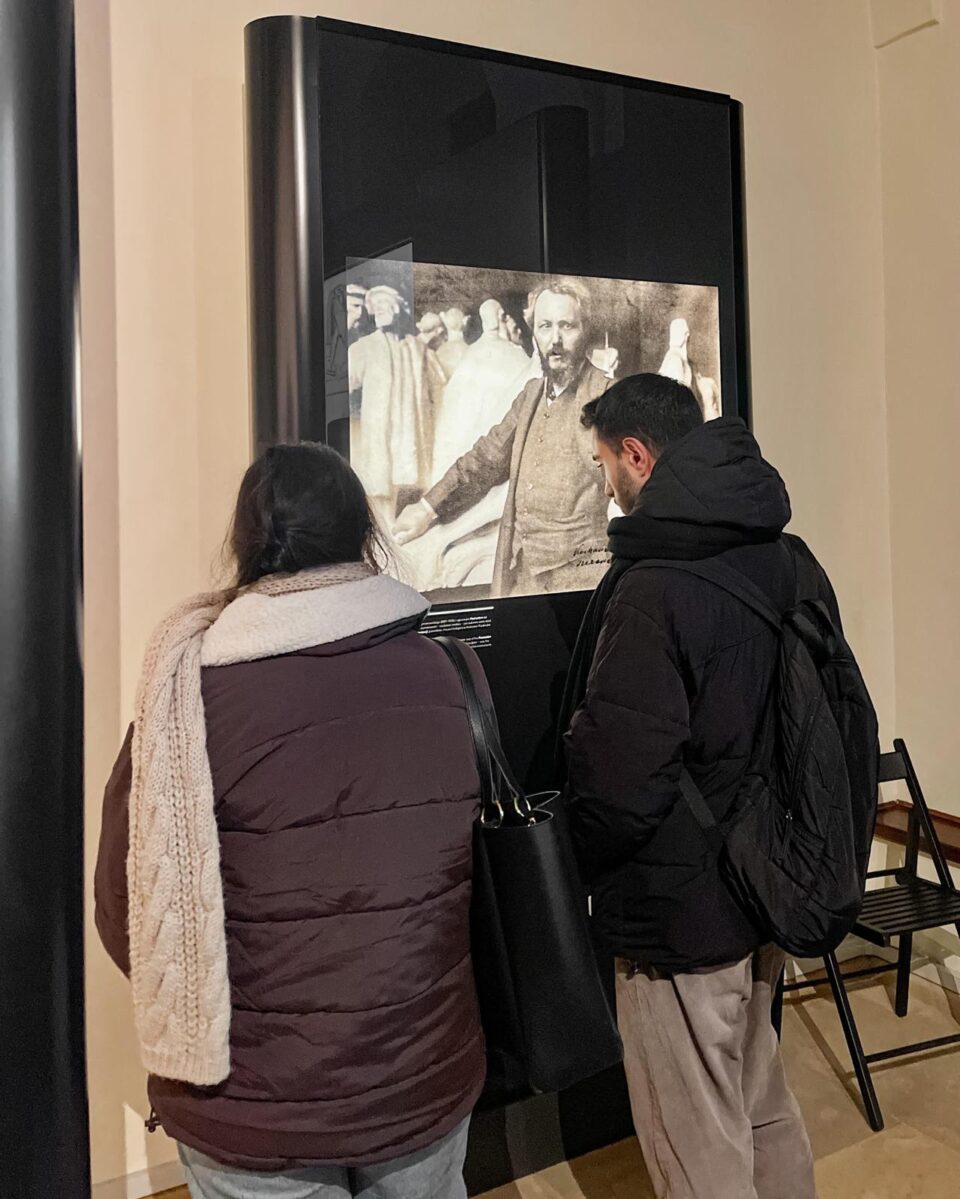
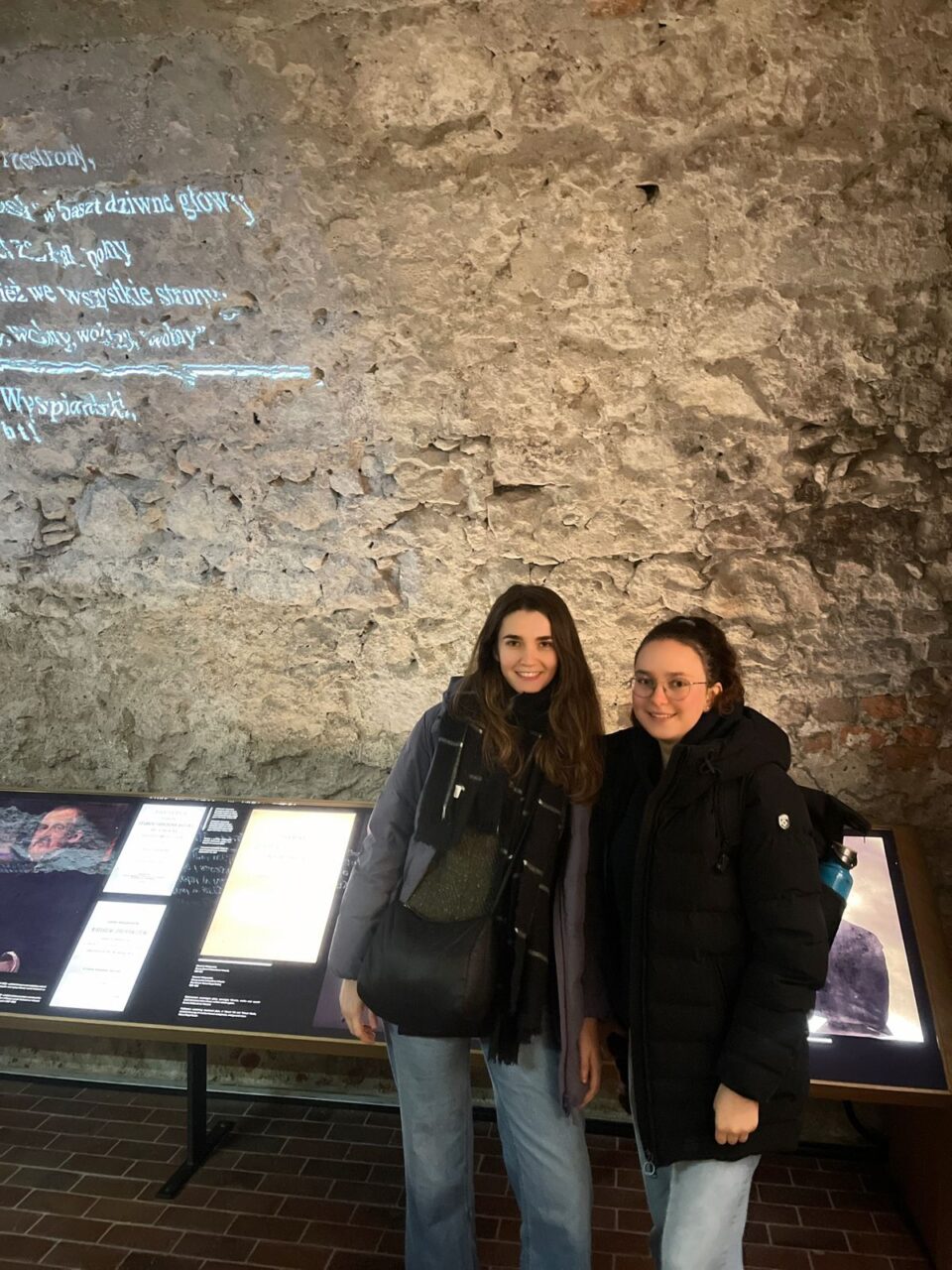
Our visit began with the Wawel Recovered exhibition, which gave us insights into the castle’s recent history, spanning from the 18th to the 20th century. Here, we also discovered the impact of significant Polish architects, such as Stanisław Wyspiański and Adolf Szyszko-Bohusz, who envisioned new designs for the castle.
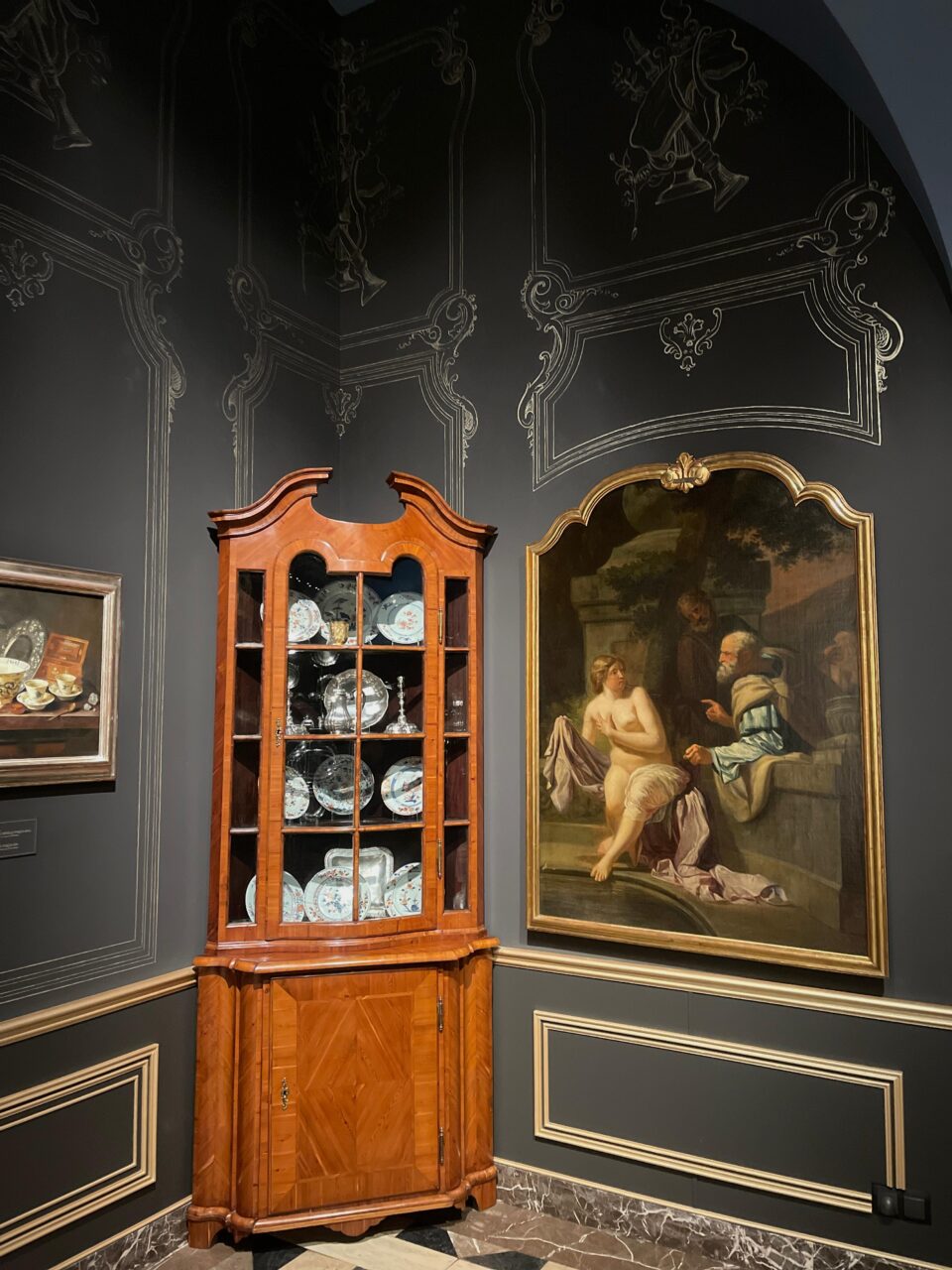
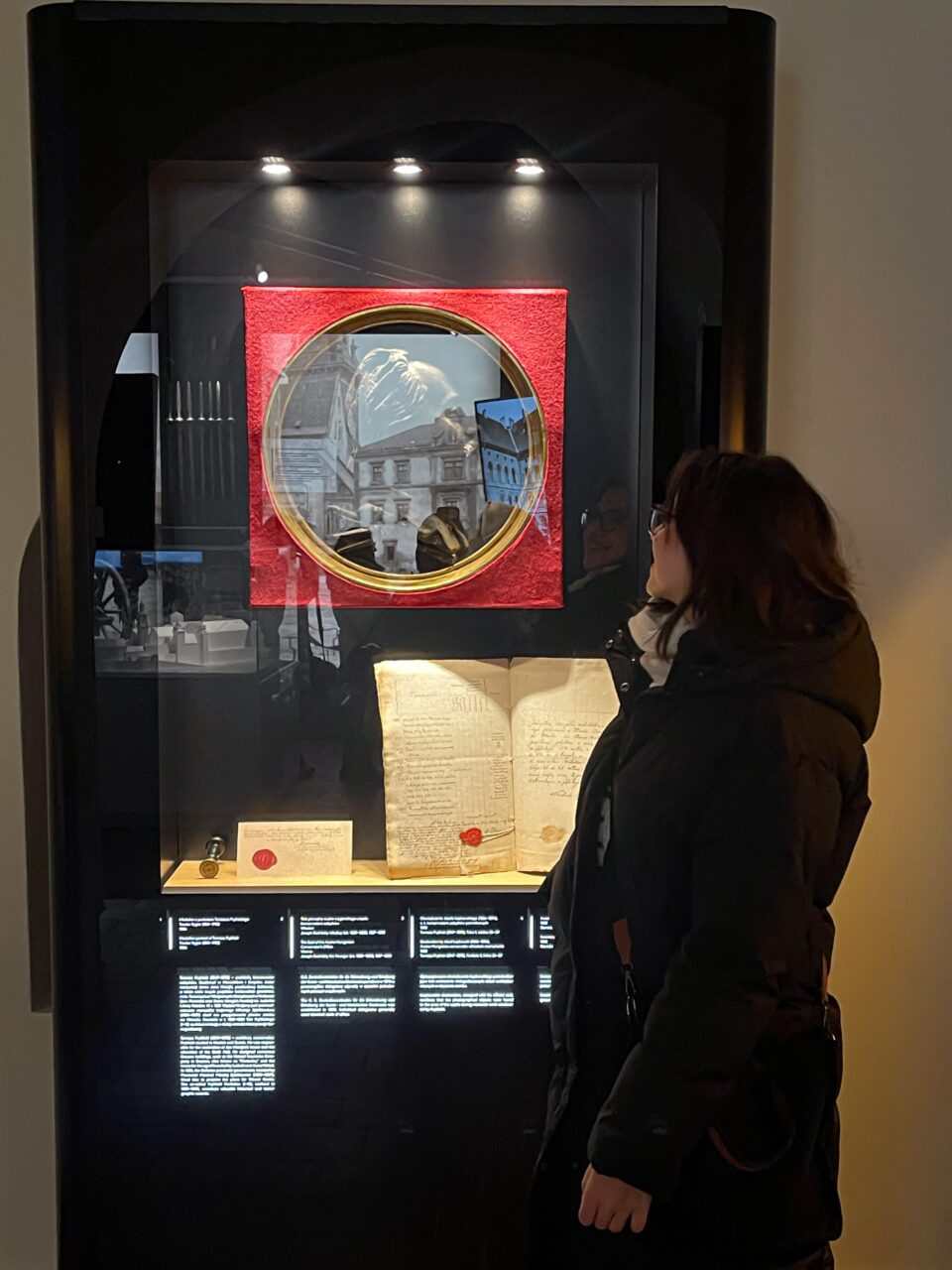
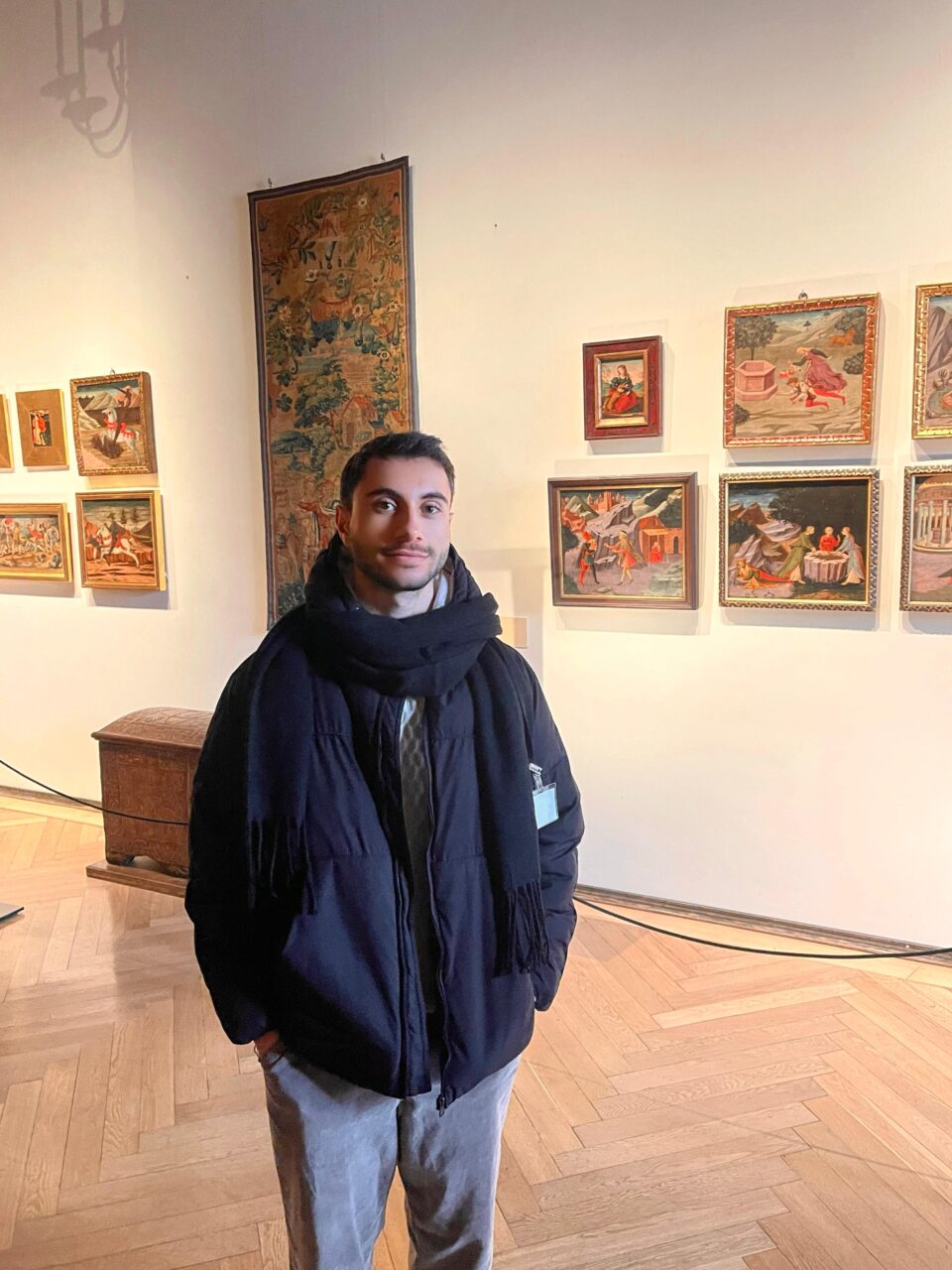
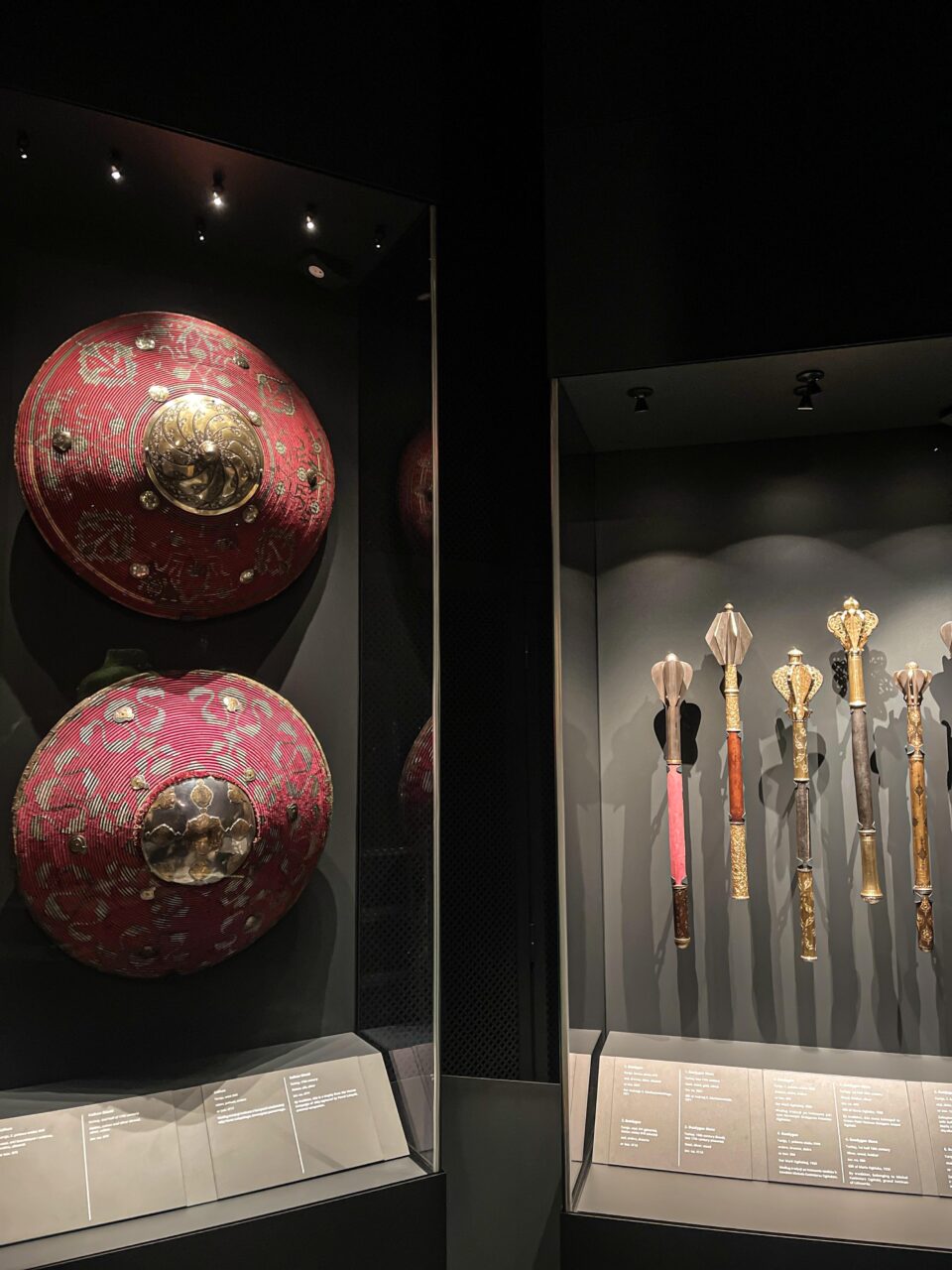
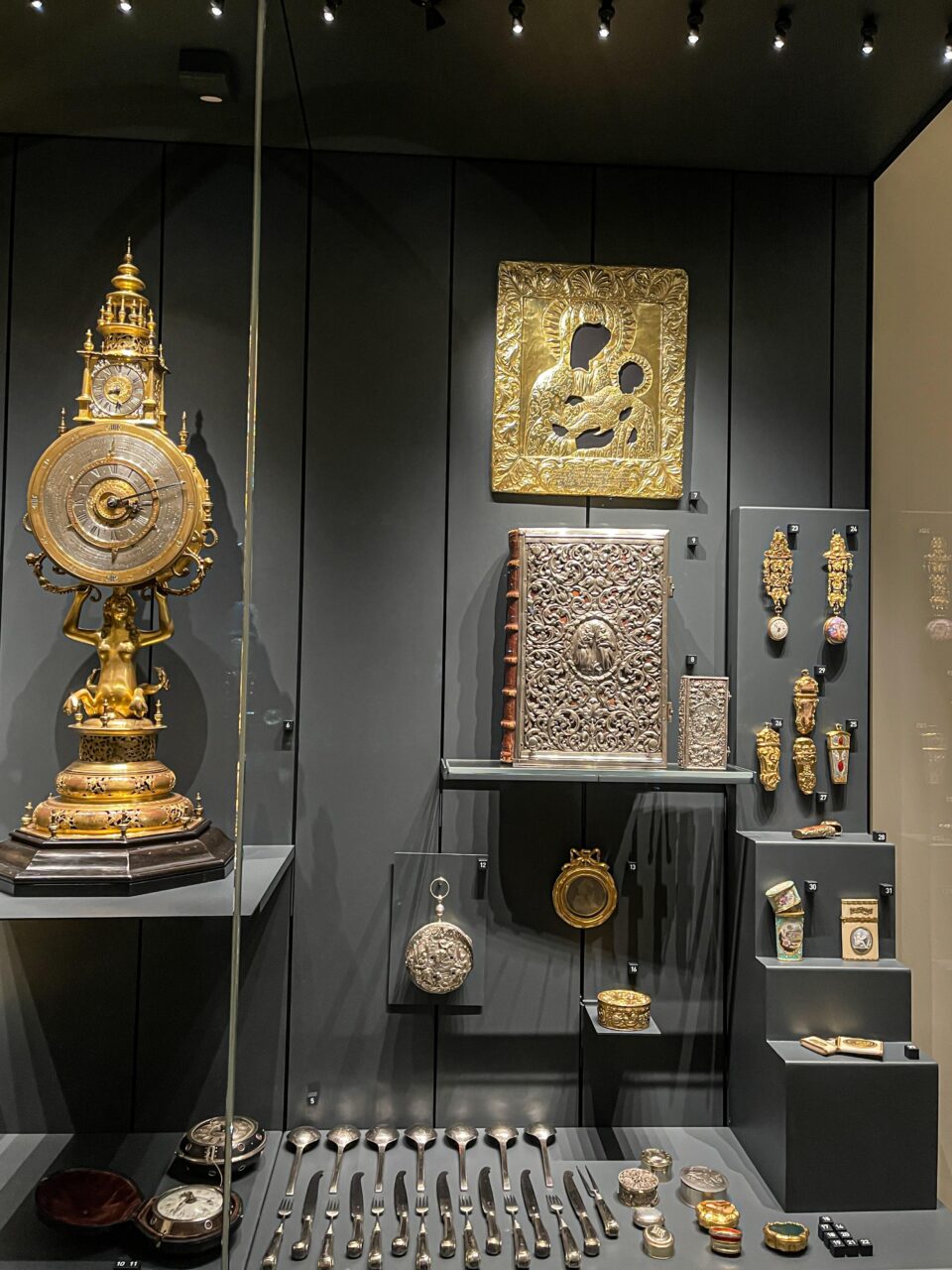
After this, we moved on to our next stop: the Dziedziniec Arkadowy, a breathtaking courtyard inspired by Italian Renaissance architecture, which hosts the castle’s main exhibitions. Stepping inside, we began an incredible journey through history and art, uncovering so much about Polish culture along the way.
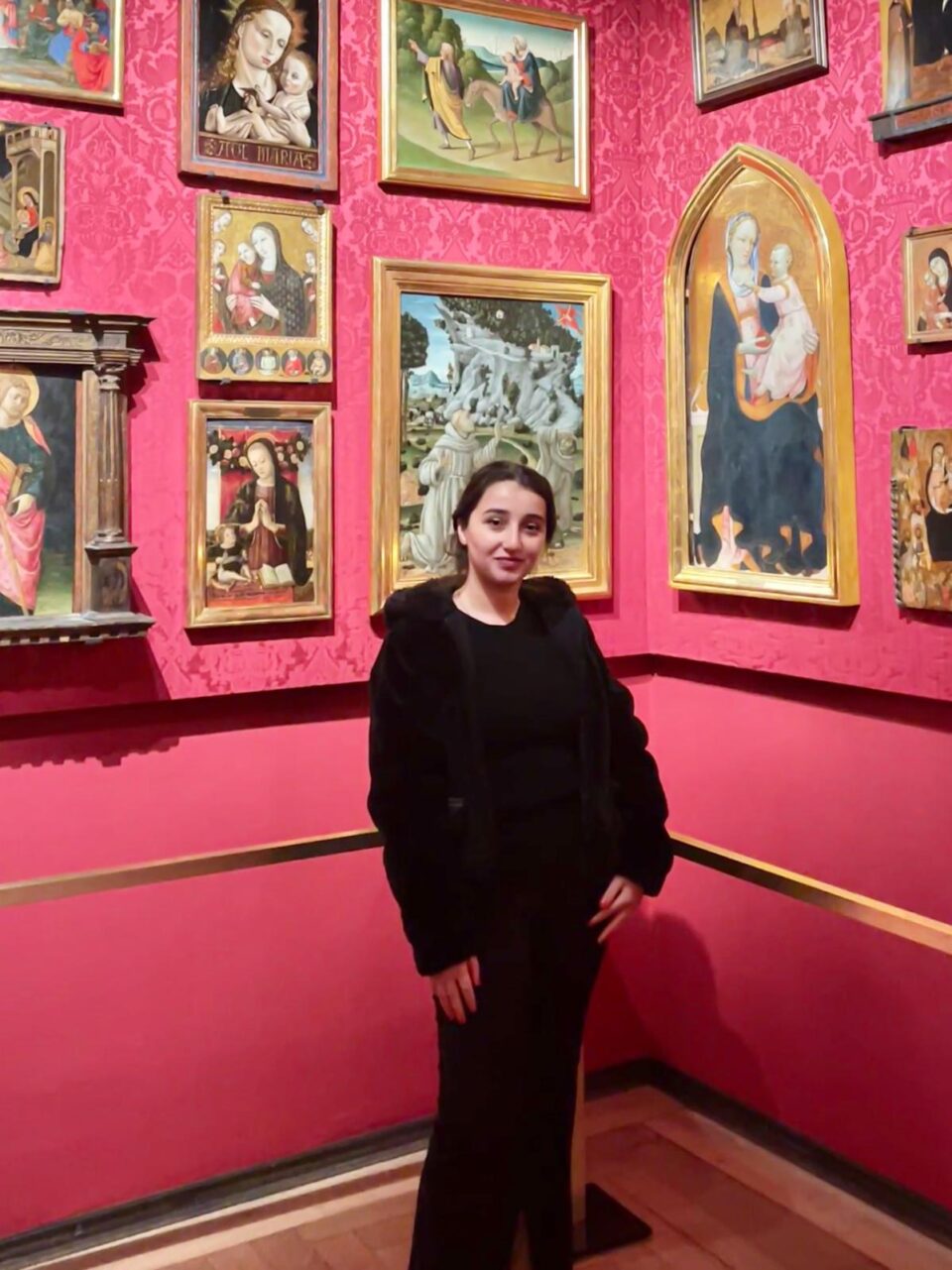
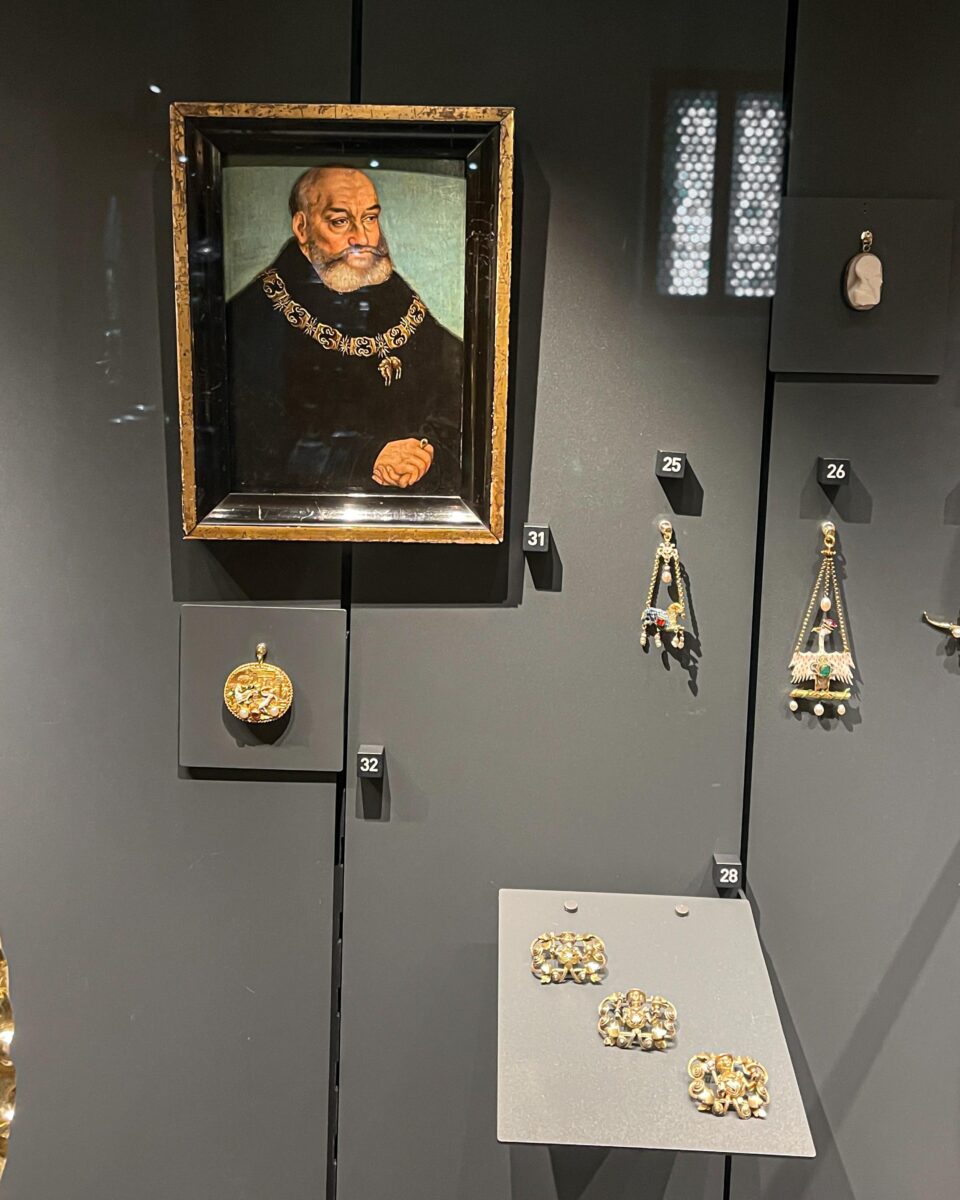
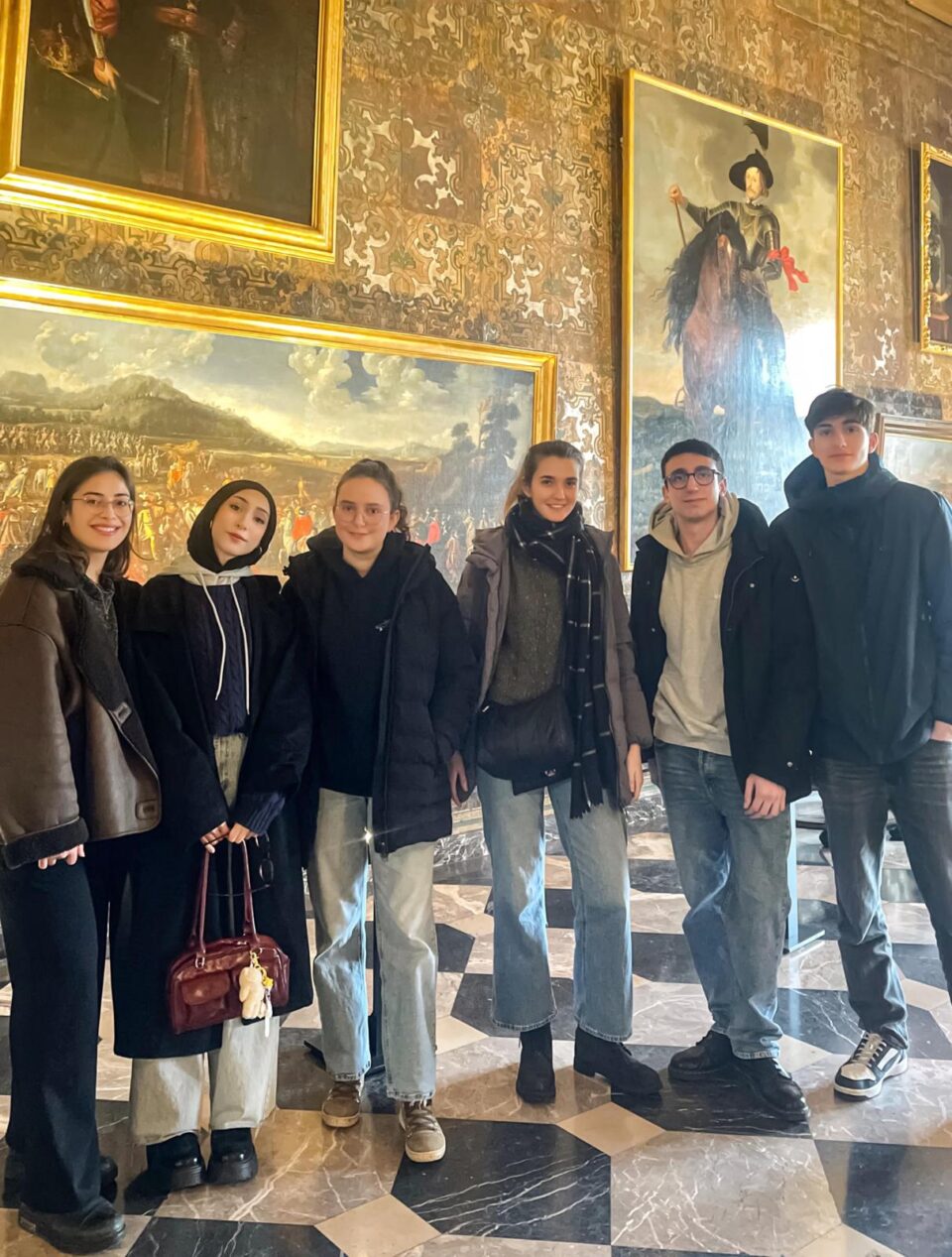
Let’s hear what some of our volunteers loved the most about the visit:
Berat, from Turkey, shared: “I really enjoyed checking out the saloon with all the Chinas. The collection was huge, and there were so many unique and fancy pieces from different countries. Each one had its own vibe, with intricate designs and amazing craftsmanship. It was super interesting to see how different cultures put their own spin on the style.”
Lionel, from Germany, said: “My favorite thing in Wawel Castle was the Ottoman carpet. It wasn’t just beautiful—it felt like it carried centuries of stories. The patterns and colors, even faded, seemed alive, like a link between past and present. It just fit, like it was meant to be there, reminding you how art connects worlds.”
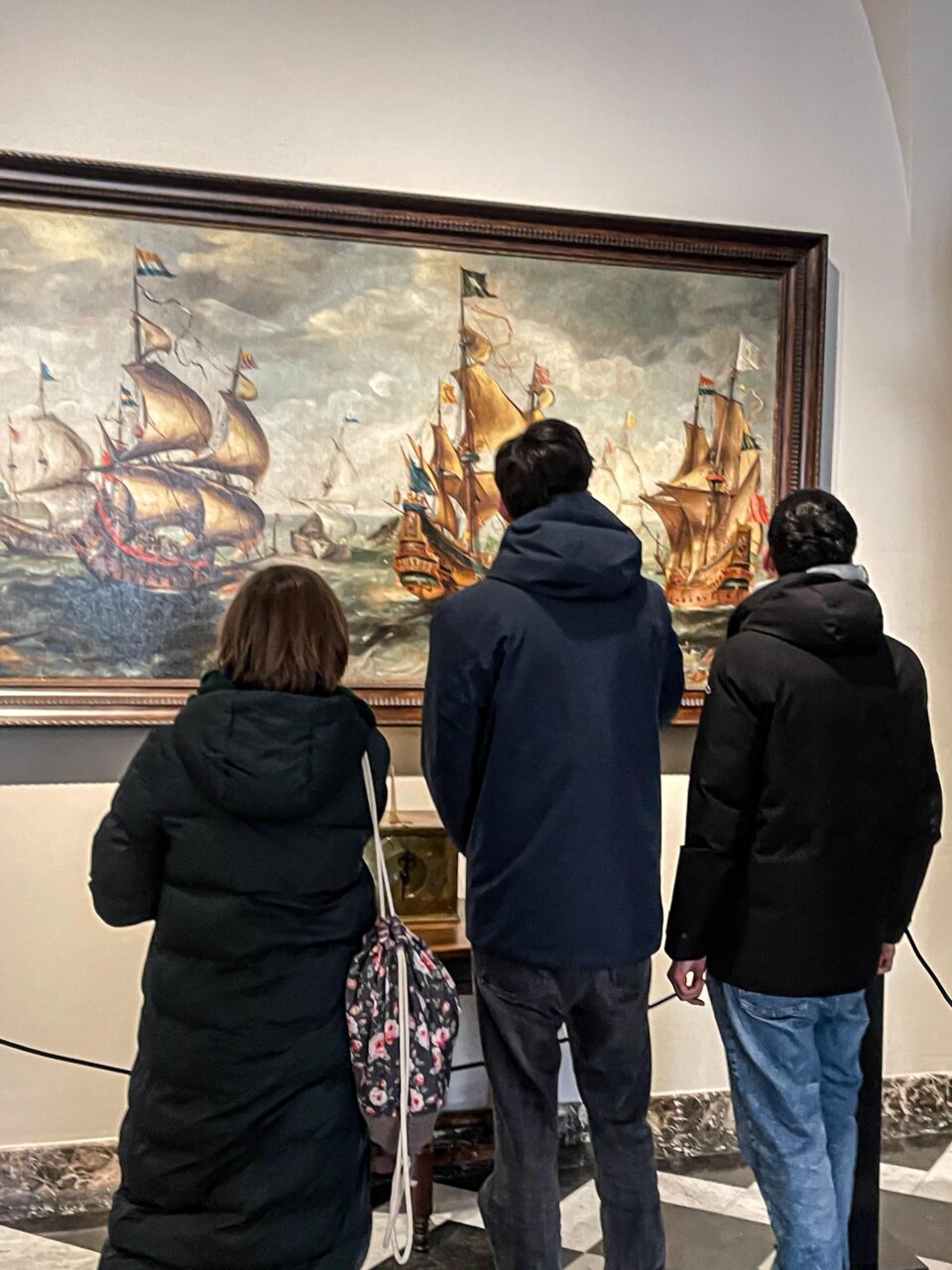
Anna, from Spain, added: “I didn’t expect Wawel Castle to be so huge or to have so many different expositions. It felt like every room had something completely new to explore, from fascinating artifacts to stunning artwork.”
Finally, Etta said: “I really liked the Crown Room because it was so stunning. The crowns and jewels were super detailed, and the whole room had this amazing, royal vibe. It was cool to imagine the history behind it all.”
Article Giacomo,
European Solidarity Corps volunteer.
Thursday meeting by European Solidarity Corps volunteer from 10/12/2024.






Comments by volunteerESC