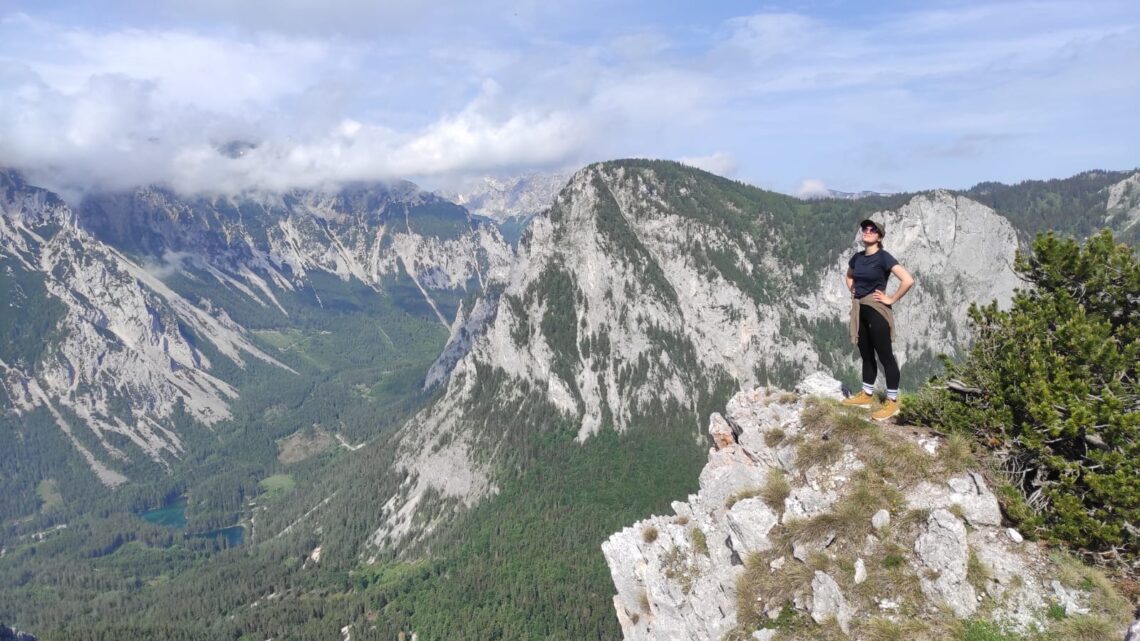
Hi! My name is Klaudia. Last July I ended my 10-month project as a European Solidarity Corps volunteer. I worked as a teacher assistant in a primary school, in accordance with Maria Montessori`s educational method. I was in the town of Leibnitz, in Austria. Before deciding to join the project, I graduated from BA studies in the field of English Philology (with German language). Then I studied psychology for a year.
I bumped into ESC projects by accident, when I was thinking whether to continue my studies in the field of psychology or to return to master’s studies in languages. I considered my trip to Austria as a time to make a decision about the future, an opportunity to improve my language skills and practice how to work with children. My project turned out to be something much more valuable than the goals that I had set for myself at the beginning.
I came to Leibnitz in September with a second volunteer from Belgium. We worked together and shared a three-room flat. Everyone had his own room. We were provided with all necessities, such as furniture or bicycles, by the parents’ council. We always had someone to ask for help. As part of the project, each month I received pocket money. It was enough for all my basic needs. Flat and travel costs to get to the work have been paid by the coordinating organisation. Teachers we worked with often invited us to go on local trips with their families. So, we could explore the south of Austria at a low cost.
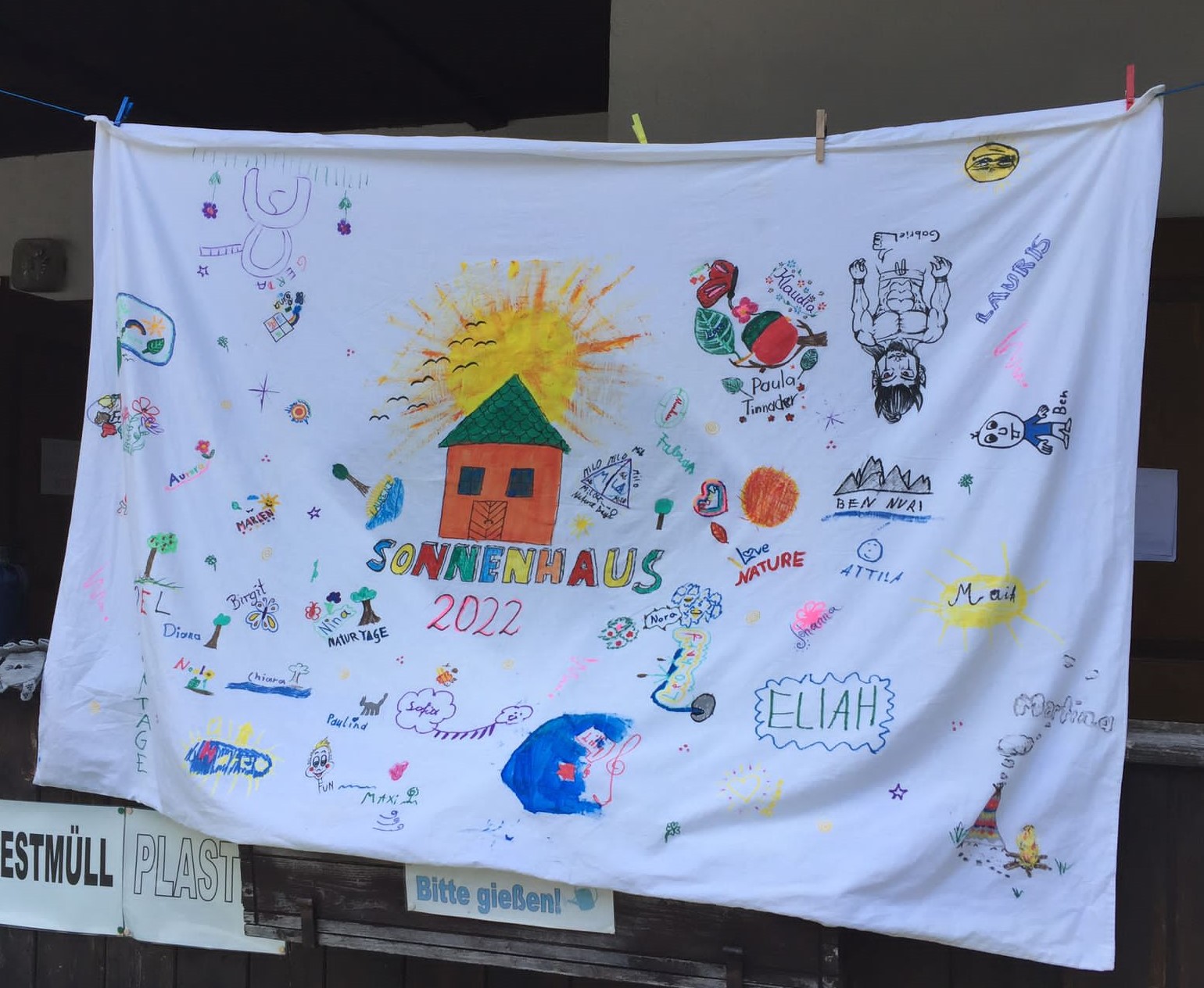
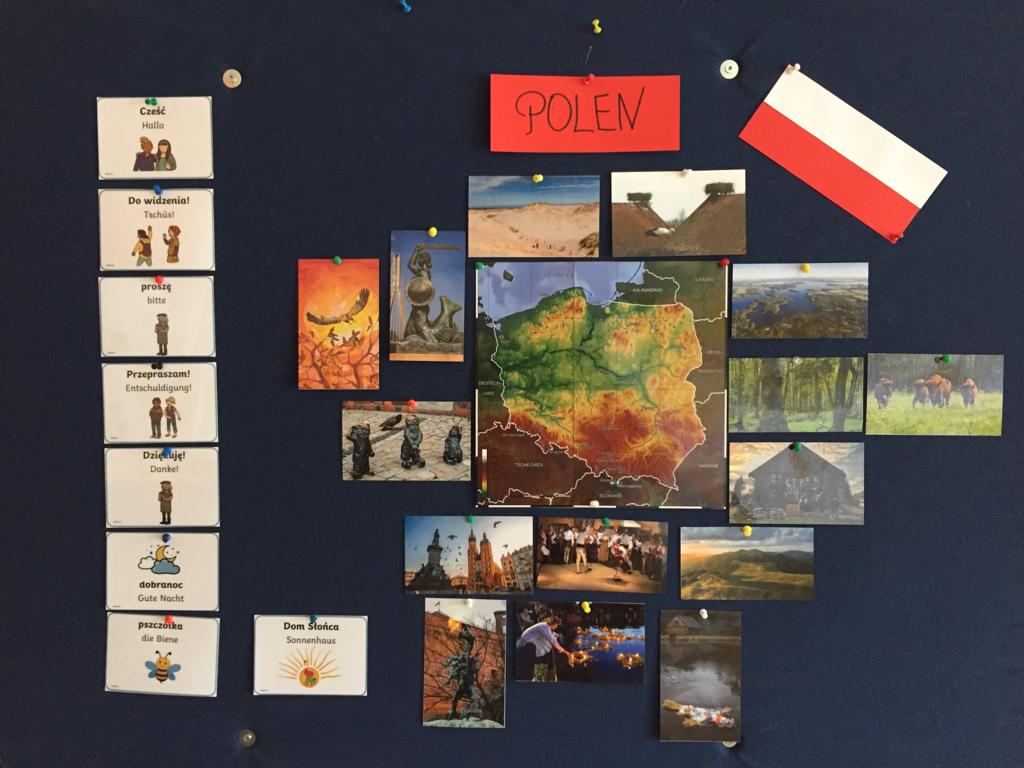
I worked in an alternative school, so firstly I had to learn how it works. The main difference between the Leibnitz school and the education system I was used to, is that children at the beginning of the week get a schedule with the tasks that should be carried out on their own by the end of the week. They are free to choose when they want to make exercises or do specific tasks, if they want to work alone or in a group, in class or maybe on the terrace. At the beginning, my job was to support teachers during shared activities, help children to solve tasks, to explain contents that were still unclear to them, as well as office work after school hours (mainly creating materials characteristic for Montessori schools). Over time, I also got the opportunity to lead sport activities and English classes for third grade students. Throughout the project, I was also able to implement a few topics about Poland. Together with the teachers, we participated and also helped to prepare excursions, educational and ecological projects and events related to school life.
Integration with the staff or rather a sense of belonging to the team was biggest challenge for me. Despite the fact that I came to Austria with a very good knowledge of German, so communication wasn’t a problem for me, I ran into quite a lot cultural differences. I often felt misunderstood or excluded from conversations. It was also the time when moment of euphoria and excitement at this new stage in life calmed down and longing for family and my country arose. Looking at now, this feeling of isolation was just a reaction in my head to get out of my comfort zone.
My ESC project contributed very much to my self-development. I have achieved my main goal. Now, I can use German fluently and without stress in various situations. I have learnt how an alternative school works for a year and from time to time I tried to be a teacher myself. I understood the fascinating concept of Maria Montessori’s educational method and I was able to observe how huge progress our students made. Now I am convinced that working with children is a lot of fun and I would like to continue this career path.
I have gained a lot of confidence in teaching. Now, I can explain different content to children, from maths to English, using German. I also participated in workshops on non-violent communication according to Marschall Rosenberg principles. This knowledge helped me to solve conflicts and to look with empathy at many situations, not only when dealing with children, but also with my loved ones.
Although during my stay in Leibnitz I faced many challenges, it was thanks to thess that I learned many things about myself, and also about what I should work on. There were times when I felt that the new environment, foreign culture and language could overwhelm me completely. I lacked motivation when I felt I was standing still and I was not developing at all. A turning point for me was the mid-term meeting in Salzburg, where I had the opportunity to exchange thoughts with other volunteers in Austria. Many of us experienced the same. Hours of valuable conversations, discussions about our plans for the future and investigation of the source of our problems can be one of the most important pieces of experience. I realized that even a time of doubt and the feeling of loneliness can be extremely important. I did it by myself. I analyzed my own weaknesses and learnt from the situations that seemed too difficult at the beginning.
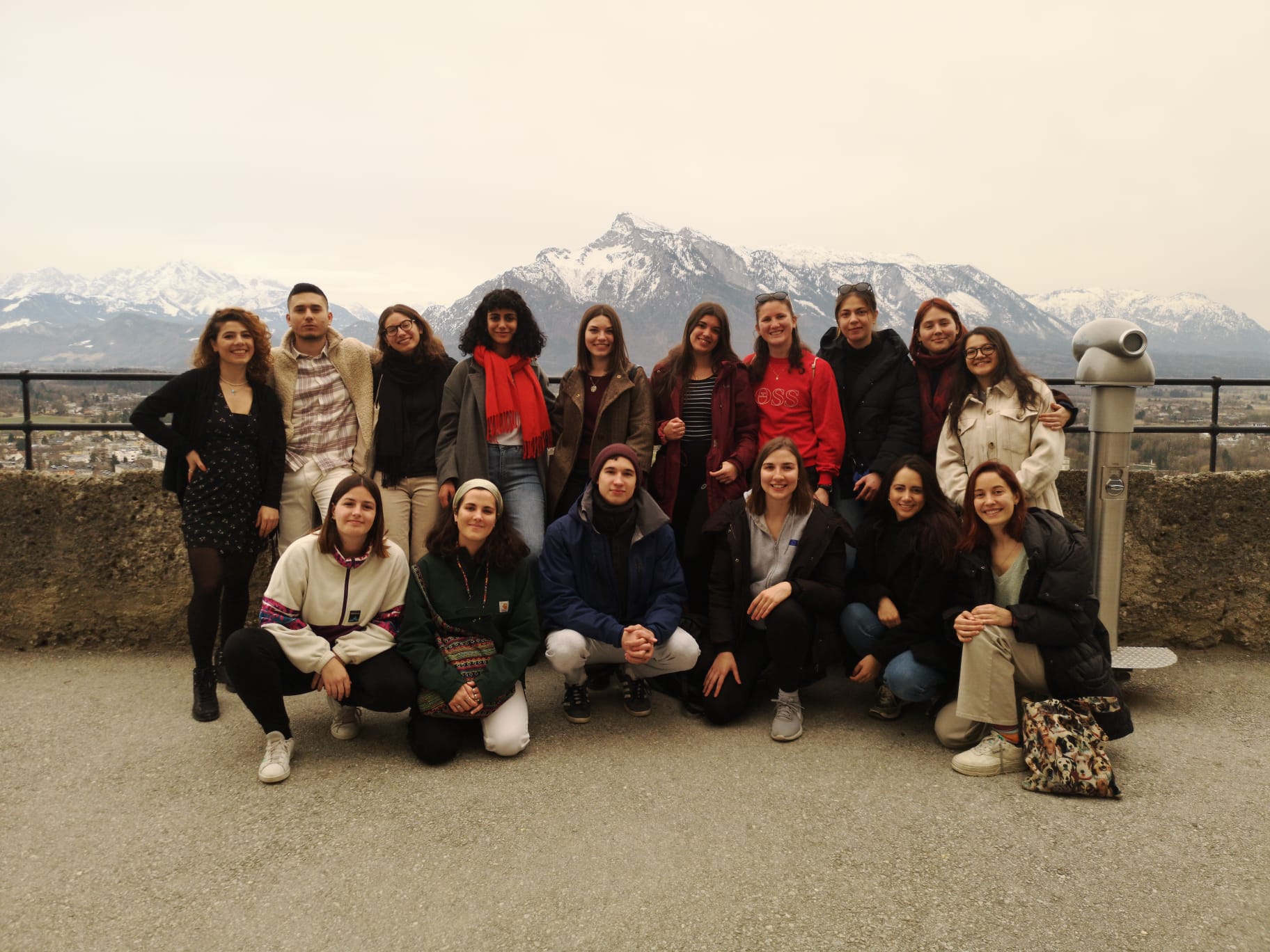
My ESC project is not only about school work, but also traveling and beautiful memories created with great people. Together with a group of volunteers we visited various places in Austria, such as Salzburg, Hallstatt, Graz or the wonderful mountain area around Grüner See. I travelled abroad too, to Croatia and Hungary. I got to know Austrian culture better. Staying so far from Poland helped me to appreciate the beauty of our country, culture and language. When I told the children about Poland, I felt extremely proud of being Polish. While I was preparing projects about my homeland, I found out a lot of things that I didn’t know or didn’t appreciate enough myself.
Participation in a ESC project is something that cannot be fully described in words . European Solidarity Corps offers a wide variety of different projects and I am sure that everyone can find something interesting there. Moreover, the entire experience is enriched by the people we can meet there. People involved in ESC are full of passion and ideas. Each meeting with others volunteers for me was like an injection of positive energy and motivation. A mix of different cultures, languages and histories is a great opportunity to expand your own horizons and learn to look at what surrounds us with different eyes.

Comments by volunteerESC